
Ukulele Lessons for Beginners: The Complete Guide to Getting Started
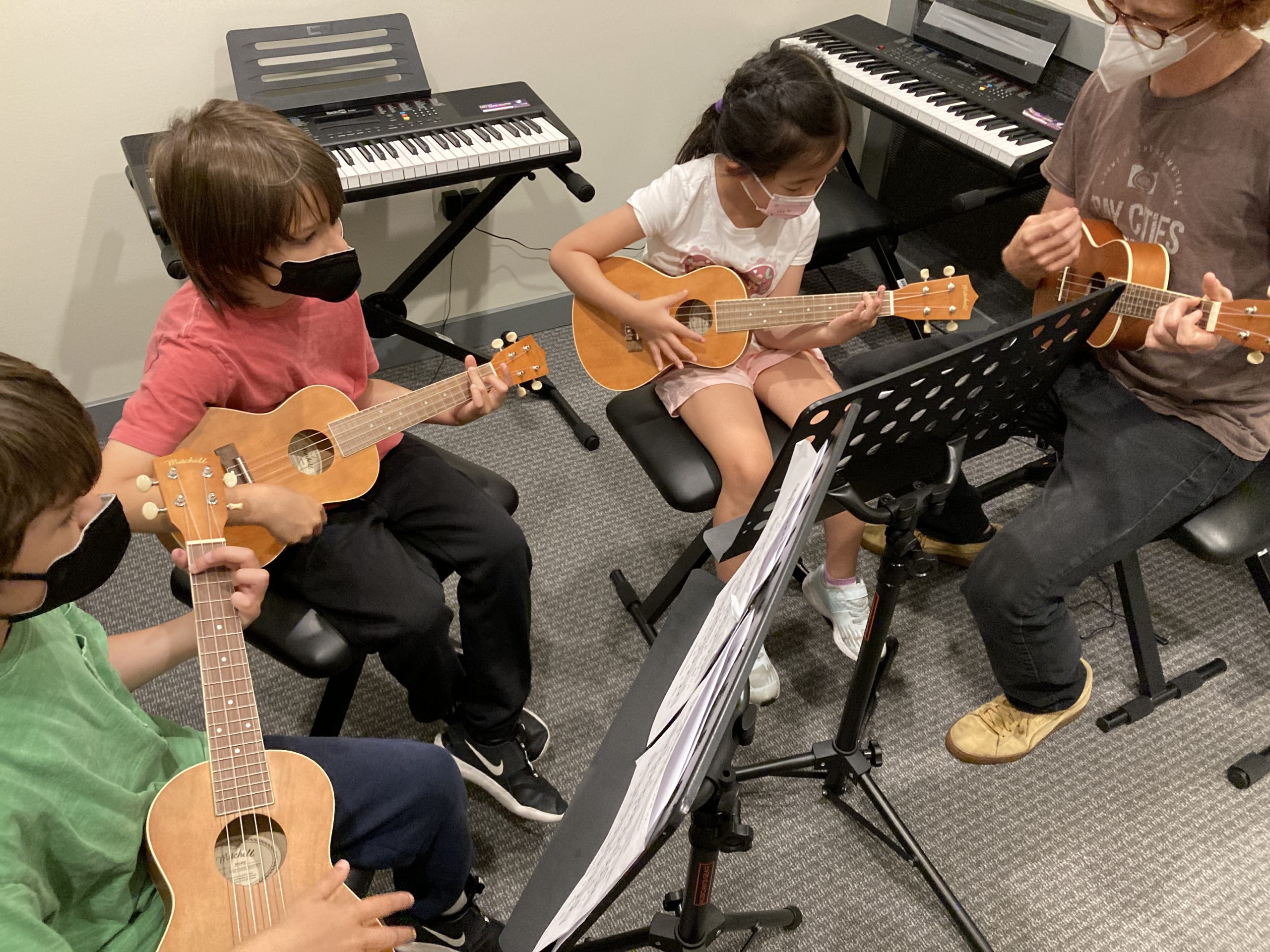
If you’ve ever thought about learning an instrument, there’s a good chance the ukulele has crossed your mind. It’s compact, approachable, and known for being beginner-friendly—but many people still wonder where to start.
We recently worked with a student named Emma who wanted to learn music but felt intimidated by guitar. She picked up a ukulele during her first lesson and was surprised at how quickly she could play 2 simple chords. Within a few weeks, she was strumming along to songs she loved and felt the rush of joy from music.
That’s the appeal of the ukulele—it makes the first steps feel achievable.
At Tiffany Music Academy, we help beginners start with confidence while building real musical skills.
Why Choose the Ukulele as Your First Instrument?
The ukulele is often recommended for beginners because it is simple to learn and easy to play. It has fewer strings than a guitar and requires less finger pressure, which makes it more comfortable in the early stages.
Its size also makes it more accessible, especially for younger students. Many beginners feel less overwhelmed when starting with ukulele compared to larger instruments.
If you’re deciding between instruments, our ukulele vs guitar guide can help you compare your options.
Ukulele Learning Roadmap
| Stage | Focus |
| Week 1–2 | Basic chords |
| Week 3–4 | Strumming patterns |
| Month 2+ | Songs + rhythm |
Step 1: Learning Basic Chords
Most ukulele songs rely on just a few simple chords, which makes it easy for beginners to get started. Students often learn their first chords within the first lesson.
These early wins build confidence and make practice more enjoyable.
As your fingers become more comfortable, transitioning between chords becomes smoother.
Step 2: Developing Strumming Patterns
Strumming is what brings music to life on the ukulele. Beginners start with simple patterns and gradually build rhythm and coordination.
At first, it may feel awkward, but with practice, it becomes more natural.
Strumming patterns also help students stay engaged because they make songs sound more complete.
Step 3: Playing Your First Songs
One of the biggest advantages of the ukulele is how quickly beginners can start playing songs. Many students can play simple, recognizable tunes within the first few weeks.
This keeps motivation high and makes learning feel rewarding.
If you want to see examples, our upcoming easy ukulele songs for beginners article will walk you through great starting points.
Step 4: Building a Practice Routine
Consistency is key when learning any instrument. Short, regular practice sessions are more effective than occasional long ones.
Even 5–10 minutes a day can lead to steady improvement.
If you’re building a routine, our practice tips for beginner ukulele can help set realistic expectations.
Why Lessons Make a Difference
While the ukulele is beginner-friendly, guidance still makes a big difference. Lessons help students avoid bad habits and build strong fundamentals from the start.
Teachers also provide structure, which helps students stay consistent and motivated.
At Tiffany Music Academy, we focus on making lessons engaging while helping students progress efficiently. With both 1-on-1 lessons and group classes, we have the right fit just for you!

Ready to Start Ukulele Lessons?
If you’re looking for an instrument that’s approachable and fun, the ukulele is a great place to start.
At Tiffany Music Academy, we help students build confidence while learning real skills from day one.
Here’s how to get started:
- Explore our ukulele lessons
- Visit our locations page: Culver City / La Mesa
- Schedule your first lesson