
How to Improve Your Singing Voice (Beginner Guide)
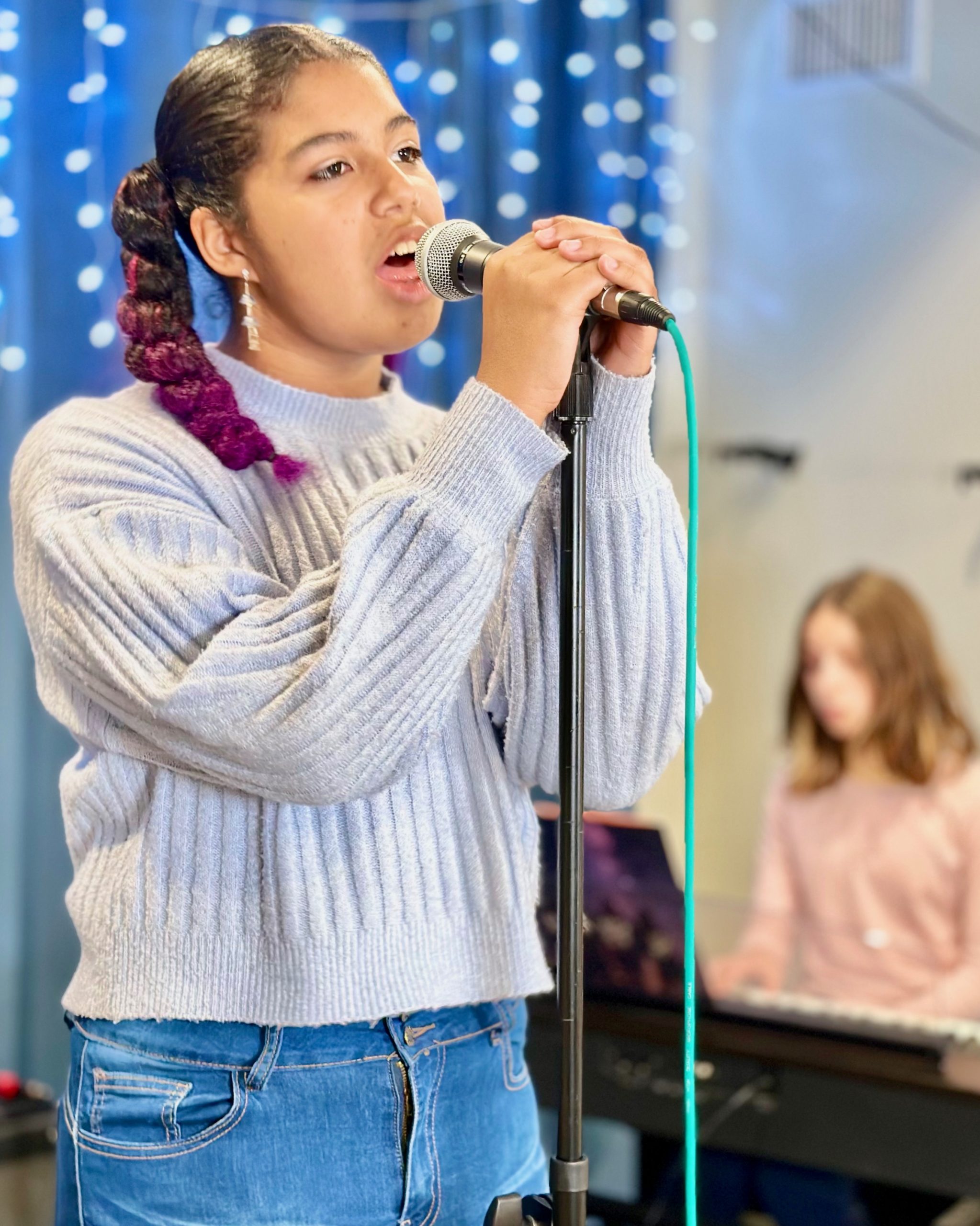
One of the most common questions we hear is: “How can I improve my singing voice?” It usually comes from someone who enjoys singing but isn’t sure if they’re doing it correctly—or if they can actually get better.
We recently worked with a student named Jordan who loved singing along to music but felt frustrated because their voice didn’t sound the way they wanted. After a few lessons focused on breathing, pitch, and control, everything started to change. Within a few weeks, they could hear the difference themselves—and that confidence made them want to keep going.
That’s the key: improving your voice isn’t about natural talent—it’s about learning the right techniques and applying them consistently.
At Tiffany Music Academy, we help students develop their voice step by step in a supportive and structured environment.
Explore our voice lessons here: https://www.tiffanymusicacademy.com
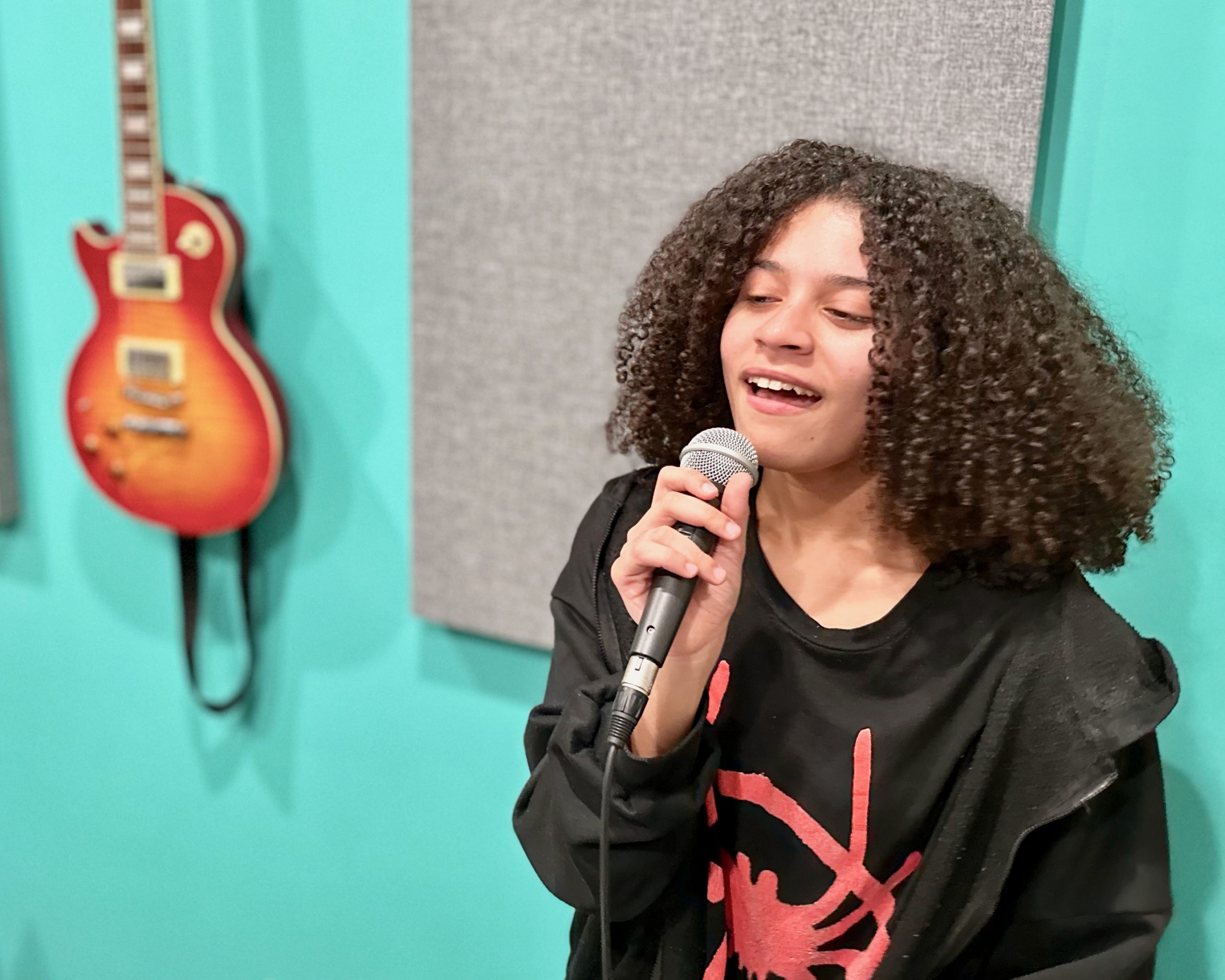
Can You Really Improve Your Singing Voice?
Yes—most people can significantly improve their singing voice with proper training. Singing is a skill that involves coordination between breathing, pitch control, and vocal technique.
Many beginners assume they’re “not good singers,” when in reality they simply haven’t learned how to control their voice yet. With guidance, these skills improve steadily over time.
If you’re just starting out, our singing lessons for beginners guide explains how your voice develops in the early stages.
Singing Improvement Timeline
| Stage | Focus |
| Beginner | Breath + pitch control |
| Intermediate | Tone + consistency |
| Advanced | Expression + range |
Step 1: Improve Breath Control
Breath control is the foundation of singing. Without proper breath support, it’s difficult to maintain a steady and controlled sound.
Learning how to breathe correctly allows you to hold notes longer and sing with more stability. This is often one of the first areas students improve.
Even small adjustments in breathing technique can make a noticeable difference.
Step 2: Work on Pitch Accuracy
Pitch refers to how accurately you match musical notes. Many beginners struggle with this at first, but it improves quickly with practice.
Training your ear to recognize pitch and adjusting your voice accordingly is a key part of learning to sing. Over time, this becomes more natural.
We’ve seen students make significant improvements in pitch within just a few weeks of focused practice.
Step 3: Practice Consistently
Consistency is one of the biggest factors in improving your voice. Short, regular practice sessions are much more effective than occasional long ones.
Practicing daily helps reinforce muscle memory and vocal control. Even 10–15 minutes a day can lead to steady progress.
If you’re building a routine, our upcoming vocal warmups for beginners guide will give you a simple structure to follow.
Step 4: Use Vocal Exercises
Vocal exercises help strengthen your voice and improve control. These exercises target specific skills like pitch, tone, and range.
They may feel repetitive at first, but they are essential for building a strong foundation. Over time, they make singing feel easier and more natural.
At Tiffany Music Academy, we incorporate exercises into lessons in a way that feels engaging and practical.
Step 5: Sing Songs You Enjoy

While exercises are important, songs are what make singing enjoyable. Applying what you’ve learned to real music helps reinforce technique and build confidence.
Students who sing songs they enjoy are more likely to stay motivated and practice consistently. For more information on how choosing the right song makes all the difference. check out our helpful guide.
Common Mistakes That Slow Progress
Many beginners unintentionally slow their progress by straining their voice, skipping warmups, or practicing inconsistently. These habits are very common and easy to correct.
The key is becoming aware of them and making small adjustments. With the right guidance, improvement becomes much more efficient.
Why Voice Lessons Make a Difference
While it’s possible to practice on your own, having a teacher provides feedback that is difficult to replicate. Small adjustments in technique can make a big difference in sound and comfort.
Lessons also provide structure, which helps students stay consistent and focused.
At Tiffany Music Academy, we help students improve efficiently while building confidence in their voice.
Ready to Improve Your Singing Voice?
If you want to improve your voice, the most important step is getting started. With the right approach, progress comes faster than most people expect.
At Tiffany Music Academy, we help students build strong vocal foundations while keeping the process enjoyable.
Here’s how to get started:
- Explore our voice lessons
- Visit our locations page: Culver City / La Mesa
- Schedule your first lesson
You may also want to explore our voice lessons for kids or revisit the beginner singing guide depending on your goals.