
Ukulele Practice Tips for Beginners: How to Improve Faster

Why Practice Matters More Than Talent
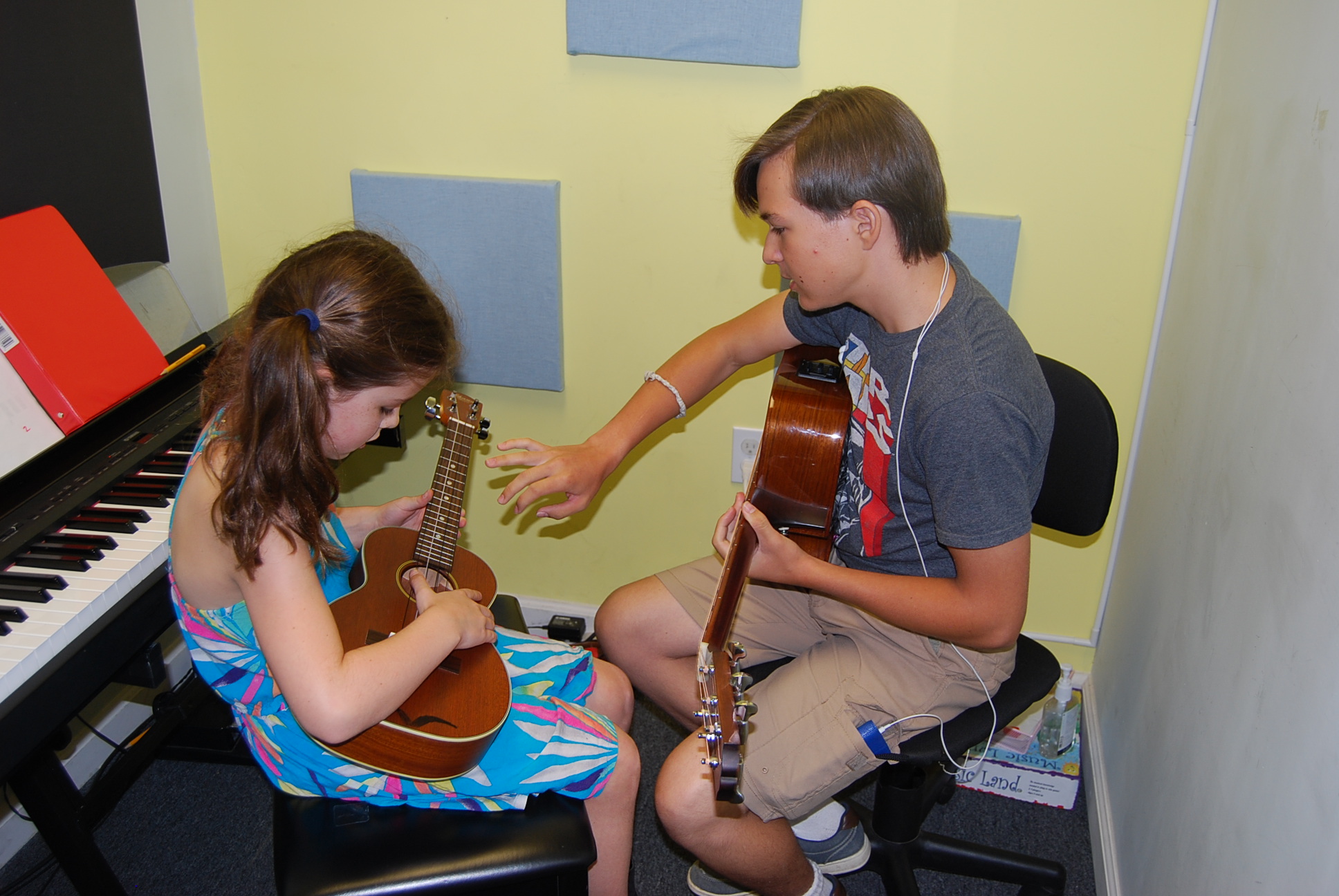
Many beginners assume that progress comes from natural ability, but consistent practice is what really drives improvement. Even students with no prior experience can develop strong skills with the right habits.
Practice builds muscle memory, coordination, and familiarity with chord shapes. Over time, these small improvements add up to noticeable progress.
If you’re just getting started, our ukulele lessons for beginners guide explains how practice fits into your early learning stages.
Practice vs Progress
| Practice Style | Progress |
| Inconsistent | Slow |
| Daily (10–15 min) | Steady |
| Focused + consistent | Fast |
Tip #1: Practice Slowly First
It’s tempting to play songs at full speed, especially when you recognize the melody. But rushing often leads to mistakes and frustration.
Practicing slowly allows you to focus on clean chord changes and steady rhythm. Once accuracy improves, speed comes naturally.
We often remind students that slow practice is actually the fastest way to improve.
Tip #2: Focus on Chord Transitions
Switching between chords is one of the biggest challenges for beginners. Instead of playing full songs repeatedly, it’s more effective to isolate chord transitions and practice them separately.
This helps build muscle memory and makes playing feel more natural over time.
If you want to apply this to real music, our easy ukulele songs for beginners article is a great place to start.
Tip #3: Practice Consistently
Short, daily practice sessions are far more effective than occasional long ones. Practicing for 10–15 minutes each day builds steady progress without feeling overwhelming.
Consistency creates momentum, and momentum leads to confidence.
Tip #4: Work on Difficult Sections
It’s natural to play the parts you already know, but real improvement comes from working on the sections that feel challenging.
Breaking these sections into smaller steps makes them easier to manage. Over time, these improvements lead to smoother playing overall.
We’ve seen many students overcome plateaus simply by changing how they practice.
Tip #5: Make Practice Enjoyable
Practice should feel rewarding, not like a chore. Playing songs you enjoy can make a big difference in motivation. We always pair our lessons plans and practices with songs YOU love. This connection between the familiar with something new is the key to unlocking the real joy in playing music.
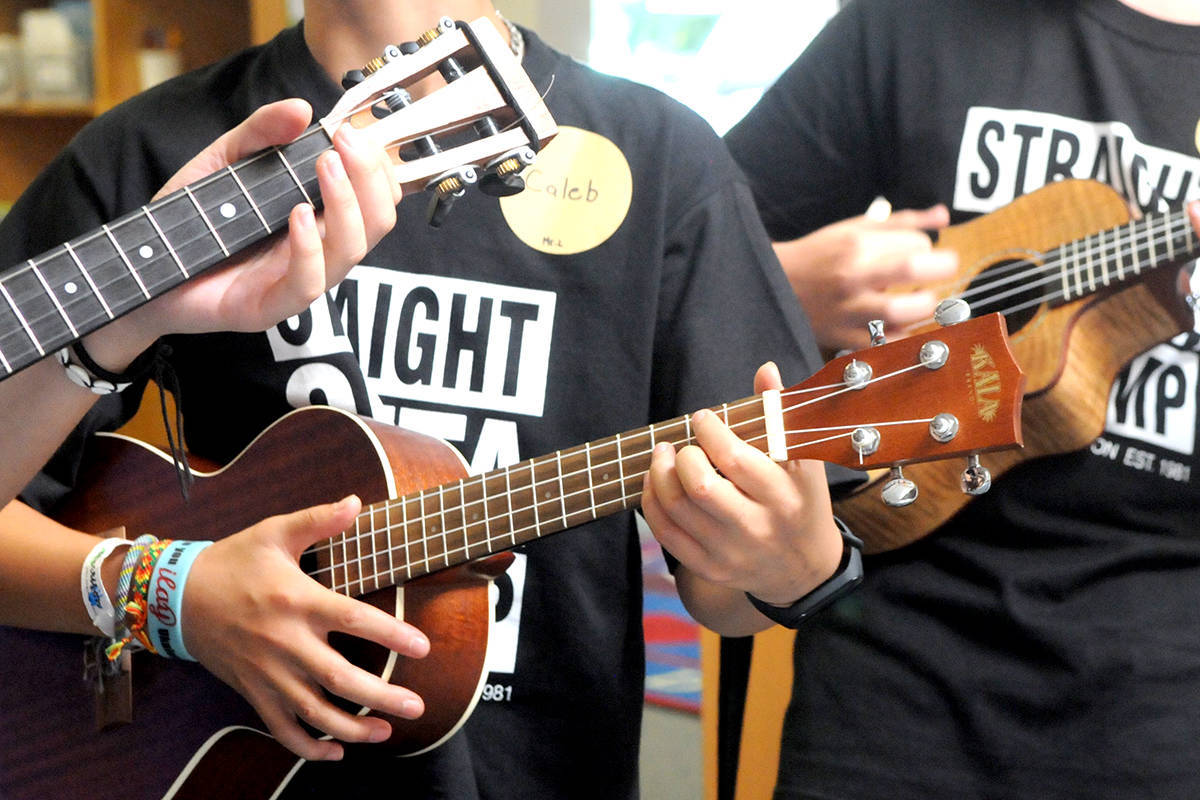
We also promote groups and bands at our school. This encourages collaboration which is essential to true musical appreciation.
Common Practice Mistakes to Avoid
Many beginners develop habits that slow their progress without realizing it. These include rushing through songs, skipping difficult parts, or practicing inconsistently.
The good news is that these habits are easy to fix once you recognize them. Small adjustments can lead to big improvements.
Cross-Reference: Ukulele vs Guitar Practice Feel
If you’ve considered guitar, you may notice that ukulele requires less finger pressure and can feel easier in the early stages.
For most beginners, the ukulele is easier to start with. The smaller size and fewer strings make it more comfortable, especially for younger students or those with smaller hands.
Chords are simpler, and it typically takes less time to play recognizable songs. This can make the early learning experience more rewarding.
That said, guitar is still a great option—especially for students who are motivated by the styles of music they want to play.
If you’re deciding between the two, our ukulele vs guitar guide can help you compare the experience.
Ready to Improve Faster?
If you want to make steady progress, the right approach makes all the difference. With good habits and guidance, improvement comes faster than most beginners expect.
At Tiffany Music Academy, we help students build strong foundations while keeping the process enjoyable.
Here’s how to get started:
- Explore our ukulele lessons
- Visit our locations page: Culver City / La Mesa
- Schedule your first lesson
You may also want to explore our ukulele lessons for kids or revisit the beginner ukulele guide depending on your goals.