
Types of Pianos: Grand vs Upright vs Digital (Beginner’s Guide)
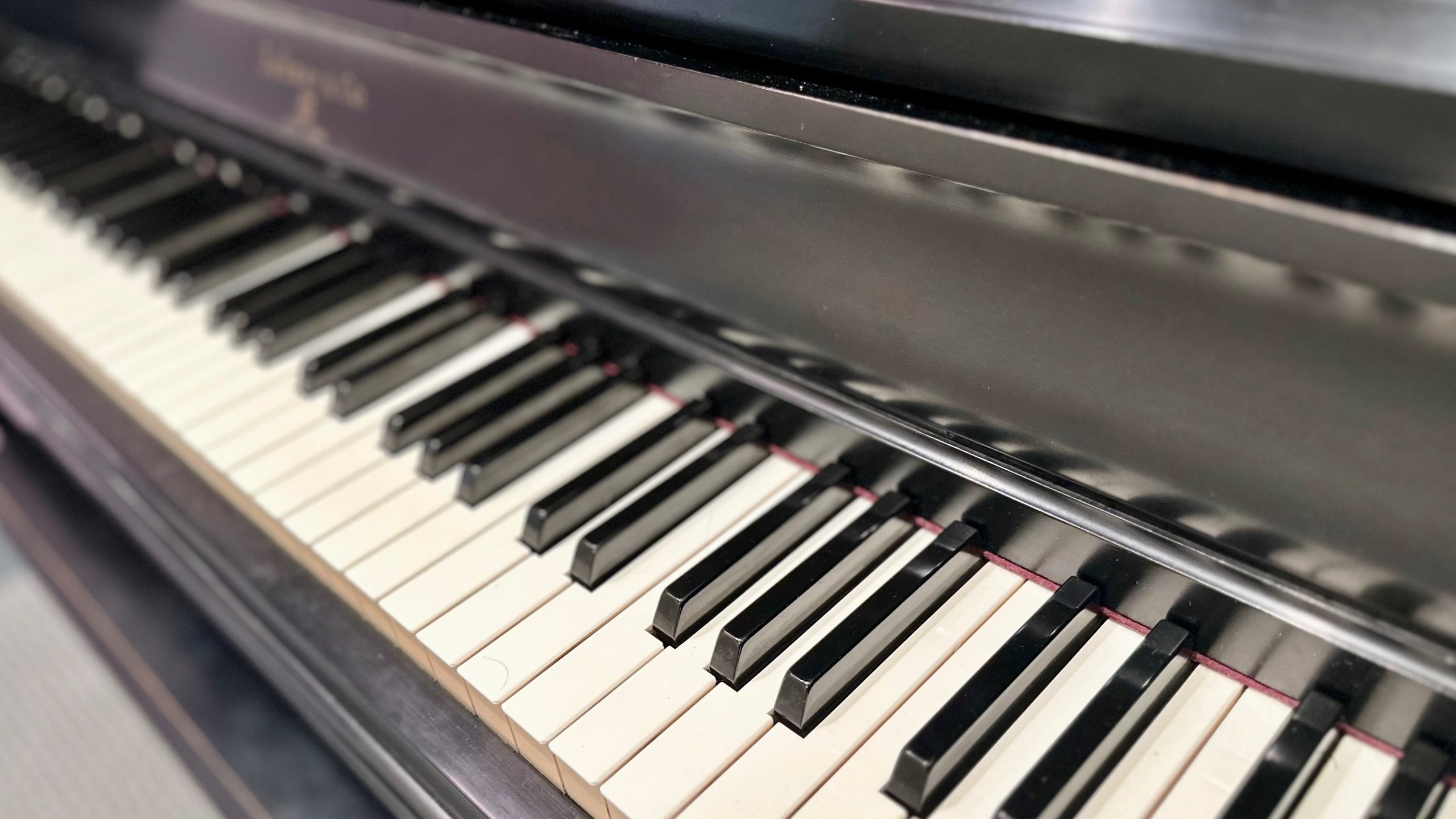
If you’re starting piano—or thinking about lessons—one of the first big questions is: what kind of piano do I actually need? With so many options available, it’s easy to feel unsure about where to begin.
We recently worked with a parent who was ready to invest in a piano for their child but felt overwhelmed by the choices. They weren’t sure if they needed a traditional acoustic piano or if a digital option would be enough. After a short conversation and a trial lesson, the answer became much clearer—and much simpler than they expected.
The truth is, the “best” piano depends on your goals, space, and budget—but most beginners don’t need anything overly complicated to get started.
Piano Types Comparison
The Three Main Types of Pianos
There are three main categories of pianos that beginners typically consider: grand pianos, upright pianos, and digital pianos. Each has its own strengths and is suited for different situations.
Grand pianos are known for their rich sound and responsiveness, but they are large, expensive and at 9 feet in length typically require a dedicated room in the house. Upright pianos are more compact and are commonly found in homes and studios. Digital pianos, on the other hand, are versatile, affordable, and ideal for many beginners.
Understanding these differences helps you make a decision that fits your needs rather than feeling pressured to choose the “best” option.
Piano Type Comparison
| Type | Cost | Space | Best For |
| Grand | $$$$ | Large | Advanced players |
| Upright | $$$ | Medium | Home use |
| Digital | $$ | Small | Beginners |
Grand Pianos: Sound and Performance
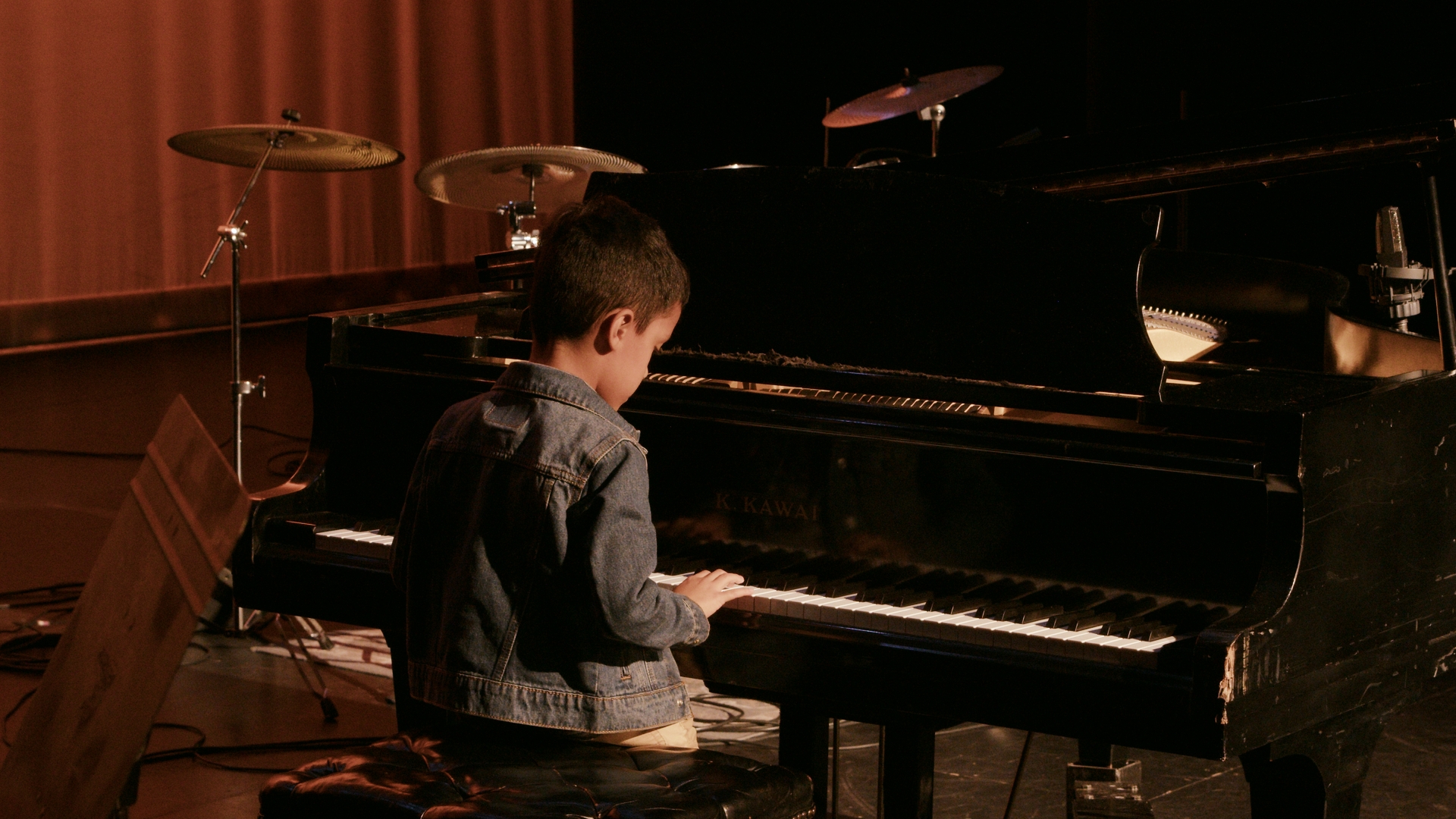
Grand pianos are often considered the gold standard when it comes to sound quality and performance. Their horizontal design allows for greater resonance and more precise control over dynamics.
However, they require significant space and are typically a long-term investment. For beginners, a grand piano is not necessary to start learning effectively.
Most students reach a high level of proficiency without ever needing one, especially in the early stages.
Upright Pianos: A Balanced Option
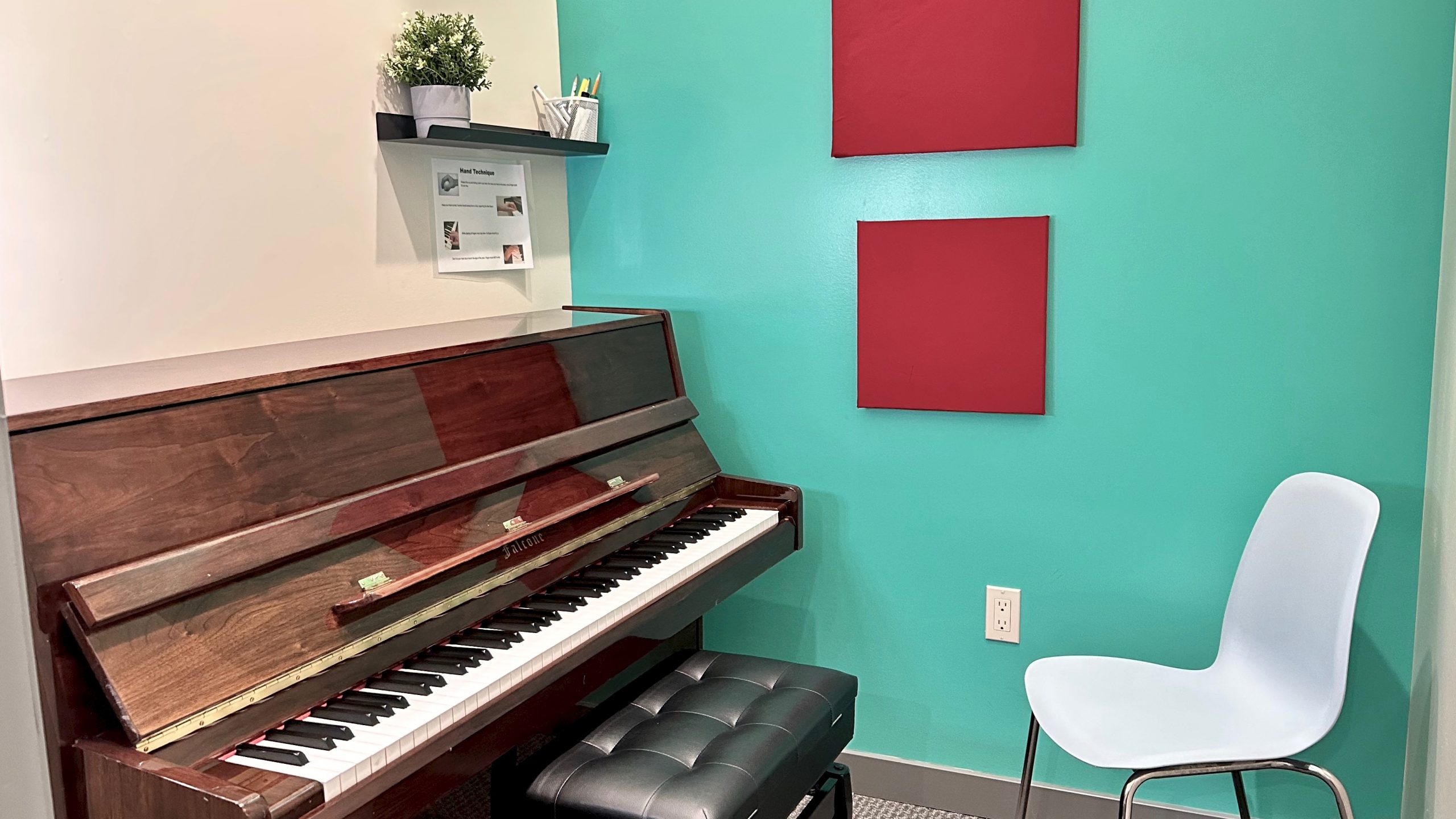
Upright pianos offer a great balance between sound quality and practicality. They are more compact than grand pianos and are commonly used in homes, schools, and lesson studios.
For families who prefer an acoustic instrument but have limited space, an upright piano is often a strong choice. It provides a traditional playing experience without the size and cost of a grand piano.
Many students use upright pianos throughout their entire learning journey.
Digital Pianos: The Best Starting Point for Many Beginners
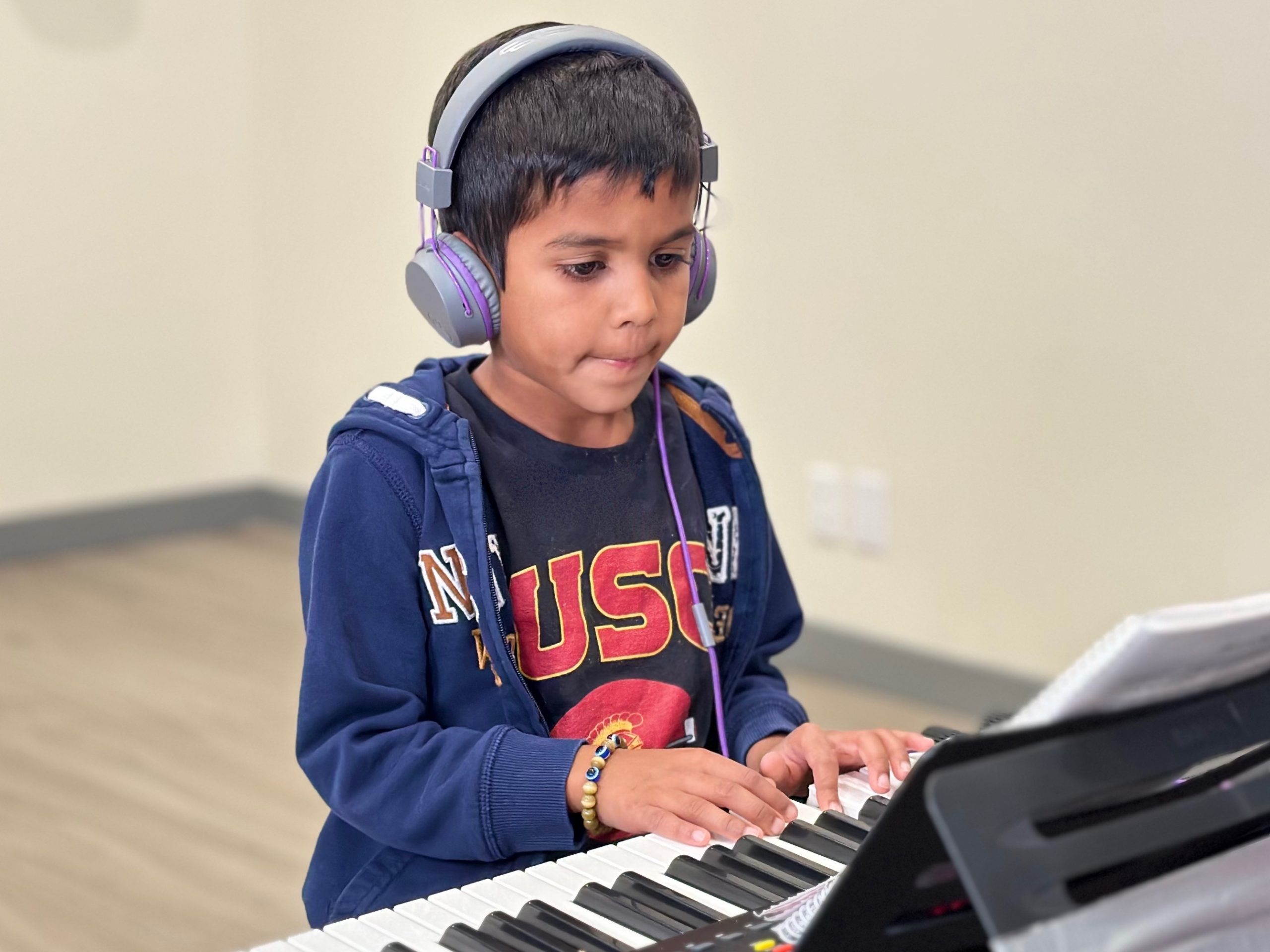
Digital pianos have become one of the most popular choices for beginners, and for good reason. They are affordable, space-efficient, and require little maintenance.
They also offer features like volume control and headphone use, which can be especially helpful for families or shared living spaces. This makes it easier to practice consistently without worrying about noise.
For many students, a digital piano provides everything they need to build strong foundational skills. If you’re just starting, this is often the most practical option.
If you’re still deciding, our beginner instrument buying guide can help you narrow down the right choice.
Do You Need a Piano Before Starting Lessons?
Many beginners wonder if they need to own a piano before starting lessons, and the good news is that the answer is usually no. Students can begin learning basic concepts like rhythm, note recognition, and hand positioning during lessons before investing in an instrument at home. However, having access to a piano or keyboard soon after starting lessons is important because consistent practice is what leads to steady improvement.
For most beginners, a simple digital keyboard is more than enough to get started and can make practicing feel convenient and approachable. If you’re unsure what type of instrument to choose, our guide on what to look for when buying a piano can help you find the right option for your goals and space.
Choosing the Right Piano for Your Goals
The right piano depends on your goals, lifestyle, and level of commitment. A beginner who wants to explore music casually may prefer a digital piano, while someone planning long-term study may consider an upright.
The most important thing is choosing an instrument that makes you want to sit down and play. Motivation plays a much bigger role in success than the type of piano you choose.
At Tiffany Music Academy, we guide students through this decision so they feel confident from the start.
Ready to Get Started with Piano?
Choosing the right instrument is an important step, but it doesn’t have to be complicated. With the right guidance, you can start learning and improving right away.
At Tiffany Music Academy, we help students build strong foundations while keeping the process simple and enjoyable.Here’s where to go next:
Here’s how to get started:
-
- Explore our group piano and 1-on-1 piano lessons
- Visit our locations page: Culver City / La Mesa
- Schedule your first lesson
You may also want to check out our piano practice tips to start building good habits from day one.