
Piano Lessons for Kids: When Should Children Start Learning?
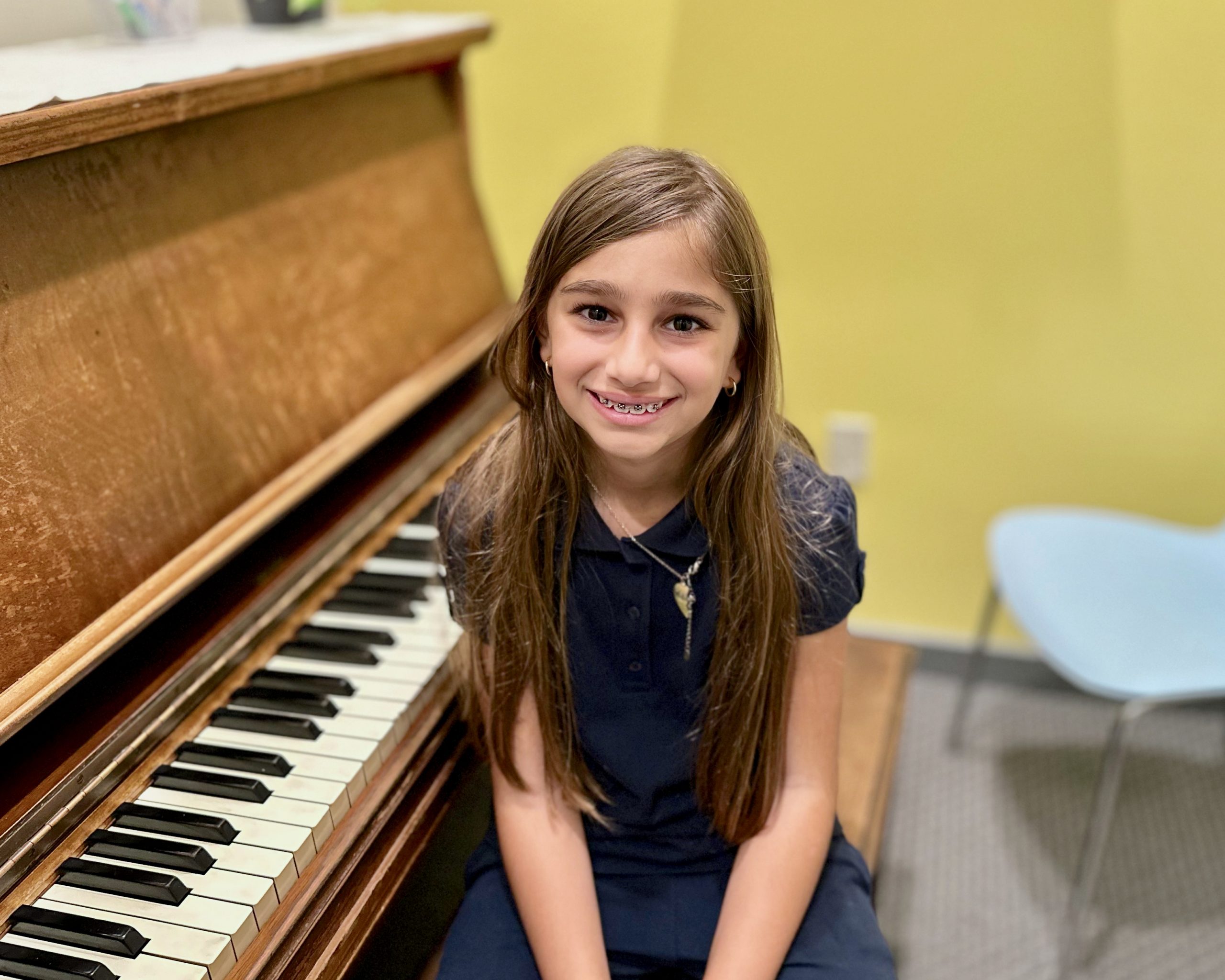
Learning piano at a young age can provide lifelong benefits, but many parents wonder: what is the right age to start piano lessons? It’s a thoughtful question, and one we hear often from families exploring music for the first time.
When the timing and environment are right, children don’t just learn music, they connect with it. That’s why we have multiple entry points for piano, from 1-on-1 lessons, to group and intro classes, we’ll work with you to find the right fit for your child in this moment of their development.
At Tiffany Music Academy, we work closely with families to make sure students start at the right pace and feel confident from the very beginning.
 \
\
What Is the Best Age to Start Piano Lessons?
Most children are ready to begin piano lessons between the ages of 5 and 7. At this stage, they typically have the coordination, attention span, and ability to follow instructions needed for structured learning.
That said, age is only part of the picture. Some younger children may be ready earlier, especially if they show strong interest in music. Others may benefit from starting with general music exposure such as our Intro To Music Class before transitioning into piano.
Signs Your Child Is Ready for Piano Lessons
Every child develops differently, so it’s important to look beyond age and focus on readiness. Children who show curiosity and engagement tend to have the most positive experience early on.
- Ability to focus for at least 10–15 minutes
- Interest in music or instruments
- Basic ability to follow instructions
- Willingness to try something new
When these signs are present, lessons tend to feel more enjoyable and productive for both the child and the parent.
Age vs Learning Approach
| Age | Recommended Approach |
| 1–4 | Music exploration classes like Lil’ Rockers or Intro to Music |
| 5–7 | Beginner Group piano lessons or 1-on-1 Lessons + 10 minutes of practice |
| 8+ | Structured 1-on-1 lessons + 30 minutes of practice |
Benefits of Piano Lessons for Kids
Piano lessons offer much more than musical development. Children who study piano often build stronger focus, improved memory, and better coordination over time. These skills can carry over into school and other activities.
Music also helps build confidence. As children learn songs and develop new skills, they begin to see their own progress. This sense of accomplishment can be incredibly motivating.
How to Choose the Right Piano Lessons for Kids
Not all piano programs are the same, and finding the right fit can make a big difference. The best lessons for young students balance structure with fun, keeping them engaged while building foundational skills.
Look for teachers who have experience working with children and who adapt lessons to match each student’s pace. A supportive environment helps children feel comfortable making mistakes and learning from them.
At Tiffany Music Academy, we focus on creating lessons that feel encouraging and interactive so students stay motivated long-term.
Do Kids Need a Piano at Home?
Yes—having access to an instrument at home is essential for progress. While students can begin lessons without one, regular practice is what helps skills develop between sessions.
The good news is that beginners don’t need an expensive instrument to start. A quality digital piano or keyboard is often a great option for early learners.
If you’re unsure what to choose, our beginner instrument buying guide can help you understand what to look for without feeling overwhelmed.
Common Questions Parents Ask
Many parents wonder if their child will stay interested or become frustrated early on. These concerns are completely normal, especially when starting something new.
The key is creating a positive early experience. When lessons feel fun and achievable, children are much more likely to stay engaged. Progress, even in small steps, builds excitement and confidence. Learning songs that your child already knows is the quickest way to a positive experience with piano. That’s why we let kids choose the songs THEY LOVE! Take a look at our list of easy piano songs for beginners to see which beginner songs we recommend.
Ready to Get Your Child Started?
Starting piano lessons is not just about learning music—it’s about building confidence, focus, and a lifelong skill. With the right guidance, children often progress faster and enjoy the process more than parents expect.
At Tiffany Music Academy, we specialize in helping young beginners feel comfortable, supported, and excited to learn.
Here’s how to get started:
- Explore our piano lessons
- Visit our locations page: Culver City / La Mesa
- Schedule your first lesson