
Guitar Lessons for Kids: What Age Should Children Start?
If your child has shown interest in guitar, one of the first questions that naturally comes up is: “Are they ready to start lessons?” It’s a thoughtful question, especially for parents who want to set their child up for a positive experience.
That’s often how it begins—with curiosity. When that curiosity is supported in the right way, it can turn into something much more meaningful.
At Tiffany Music Academy, we specialize in helping young beginners start at the right pace so they feel confident and engaged from the very beginning.
What Is the Best Age to Start Guitar Lessons?
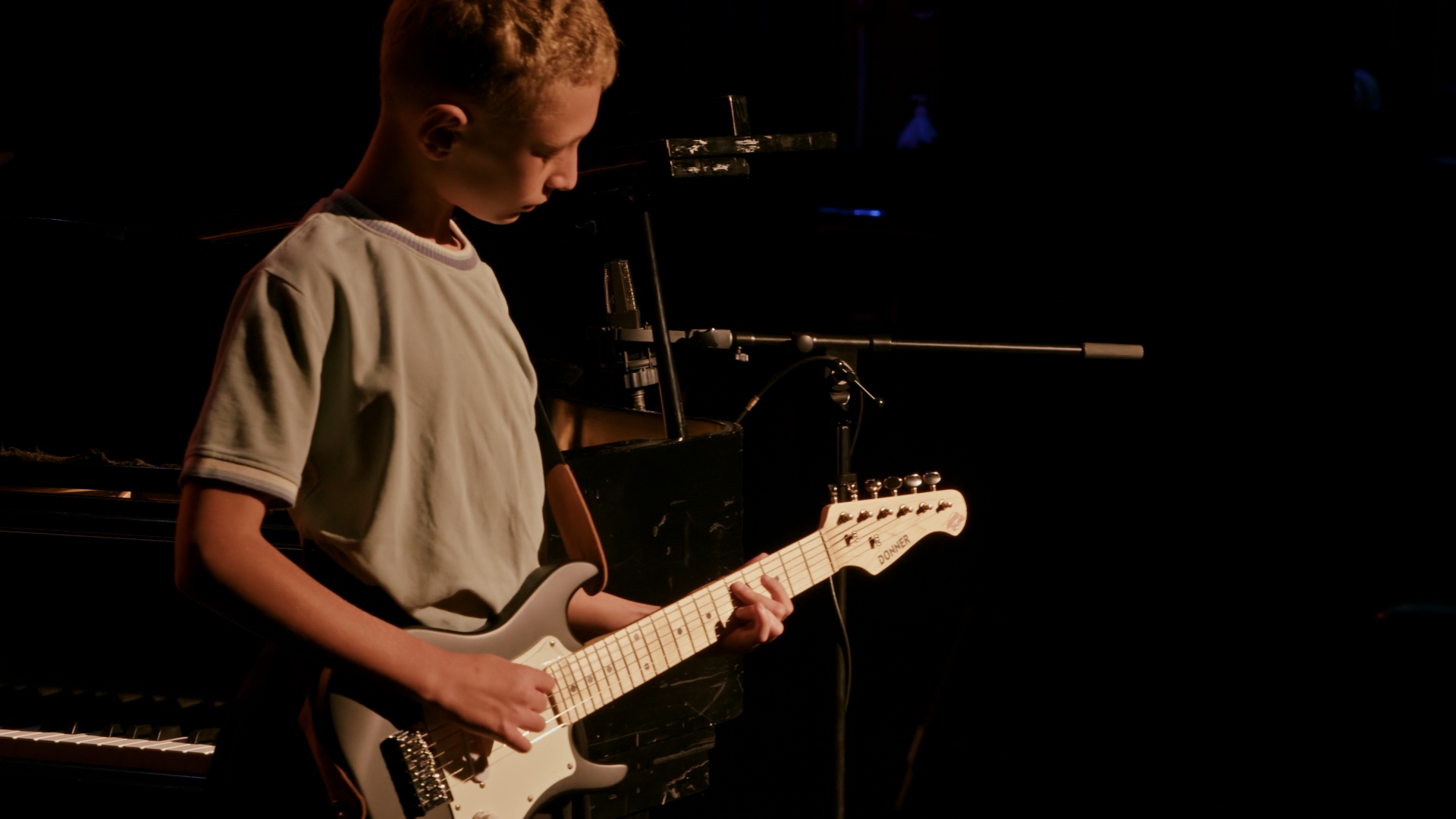
Most children are ready to begin guitar lessons between the ages of 8 and 9. At this stage, they typically have the hand strength, coordination, and attention span needed to start learning basic chords and rhythms. Before this age, most children just don’t have the hand strength to be able to press down hard enough to make a meaningful sound from the instrument. We recommend students younger than 8 begin with the ukulele to get a few for a strummed instrument that is easier to hold in smaller hands
That said, every child develops differently. Some younger children may be ready earlier, especially if they show strong interest and can focus for short periods of time.
Signs Your Child Is Ready for Guitar Lessons
Rather than focusing only on age, it’s helpful to look for signs that your child is ready to begin learning.
- They can focus for 10–15 minutes at a time
- They show interest in music or instruments
- They can follow simple instructions
- They are excited about the idea of playing guitar
Children who are naturally curious and engaged tend to progress more quickly and enjoy lessons more.
Age vs Readiness
| Age | Readiness |
| 4–5 | Intro to music recommended |
| 6–8 | Ideal starting range |
| 9+ | Strong readiness, faster progress |
Starting Too Early Can Sometimes Cause Frustration
Guitar requires coordination between both hands, finger strength, rhythm, and patience. Younger students may struggle with pressing the strings clearly, changing hand positions, or staying focused during structured instruction. This does not mean they are not musical. It simply means they may need a learning approach that better matches their developmental stage.
For many younger students, beginning with:
- Intro to Music classes
- Rhythm-based group classes
- Singing and movement activities
- Ukulele classes
can help build musical confidence before transitioning into guitar later on.
What Makes Guitar Different for Kids?
Compared to instruments like piano, guitar can feel slightly more challenging at the beginning. The strings require finger pressure, and chord shapes can take time to get comfortable.
However, many kids are drawn to guitar because of the music they love. That connection often outweighs the initial difficulty and keeps them motivated.
We’ve seen students who struggled early on become very confident once they started playing recognizable songs. If your child is excited about playing music they know, our easy guitar songs for beginners article shows what that progression can look like.
How to Support Your Child at Home
Parental support plays a big role in a child’s success with guitar. Encouraging short, consistent practice sessions can make a huge difference.
Even 10–15 minutes a day is enough to build strong habits. Keeping the experience positive—celebrating small wins and avoiding pressure—helps children stay motivated.
If you’re looking for guidance, our guitar practice tips for beginners article can help you create a simple and effective routine at home.
Do Kids Need Their Own Guitar?
Yes—having a guitar at home is important for consistent progress. Practice is where most learning happens, and access to an instrument makes a big difference.
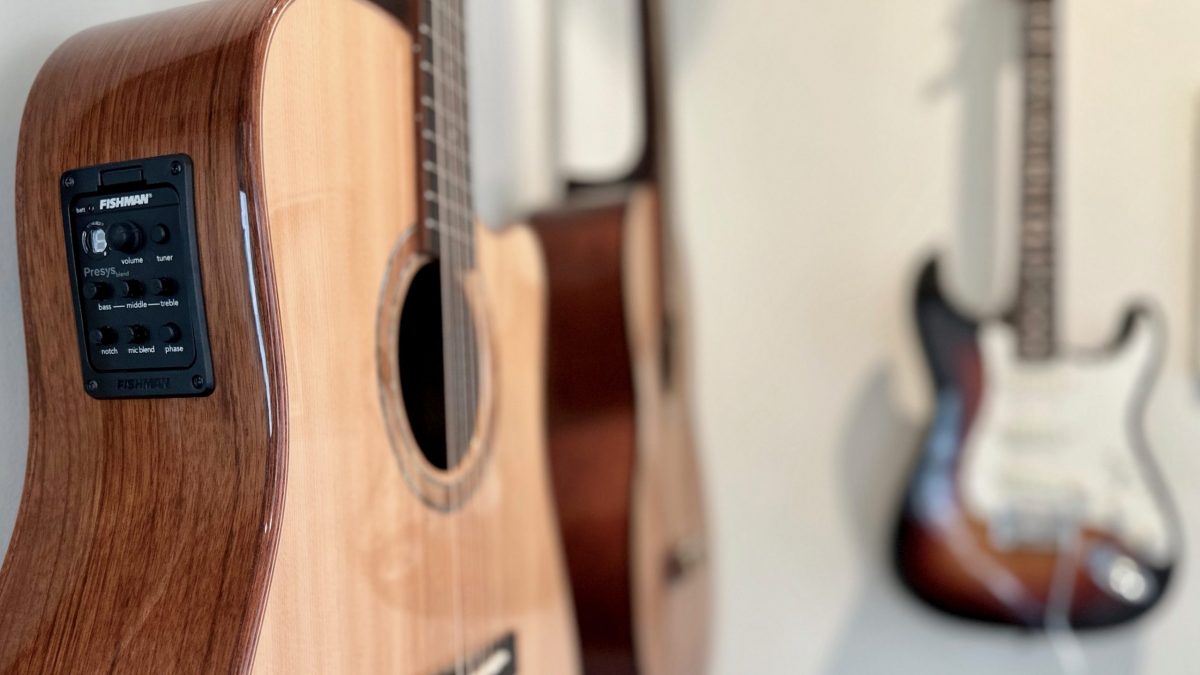
The good news is that beginner guitars are available in smaller sizes designed specifically for children. This makes learning more comfortable and enjoyable. The instrument itself also plays a major role in a student’s success. One reason beginners sometimes become discouraged is because they are learning on a guitar that is uncomfortable, oversized, difficult to tune, or painful to play. Younger students especially benefit from guitars that properly fit their body size and hand strength. A comfortable instrument can dramatically improve the learning experience and help students stay motivated.
If you’re unsure what to choose, our beginner instrument buying guide can help you find the right fit.
Ready to Get Your Child Started?
Starting guitar lessons can be a rewarding experience that builds confidence, creativity, and focus. With the right support, many children progress faster than parents expect.
At Tiffany Music Academy, we create a welcoming environment where kids feel comfortable learning at their own pace.
Here’s how to get started:
- Explore our guitar lessons
- Visit our locations page: Culver City / La Mesa
- Schedule your first lesson
You may also find it helpful to read our beginner guitar guide to better understand what progress looks like over time.