
Drum Lessons for Kids: What Age Should Children Start?
If your child is constantly tapping on tables, drumming on their knees, or keeping time with music, it’s time to introduce them to drum lessons.
We recently worked with a parent whose son, Lucas, was always full of energy and loved rhythm but struggled to stay focused in other activities. When he started drum lessons, something clicked. The structure of rhythm gave him a way to channel that energy, and within a few weeks he was not only more focused but genuinely excited to practice.
One of the unique benefits of drums is they give students an active, engaging way to connect with music.
At Tiffany Music Academy, we help young students build rhythm, coordination, and confidence from the very beginning.
Explore our drum lessons for kids here.
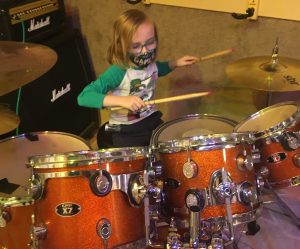
What Is the Best Age to Start Drum Lessons?
Most children are ready to begin drum lessons around the ages of 6 to 8. At this stage, they typically have the coordination and attention span needed to follow patterns and stay engaged during lessons.
Younger children can still explore rhythm through basic music activities, which can prepare them for structured lessons later.
Signs Your Child Is Ready for Drums
Rather than focusing only on age, it’s helpful to look for signs that your child is ready.
- They enjoy tapping rhythms or moving to music
- They can follow simple instructions
- They can focus for short periods of time
- They show excitement about playing drums
Children who show curiosity and enthusiasm tend to progress more quickly.
Age vs Readiness
| Age | Recommended Approach |
| 4–5 | Rhythm exploration |
| 6–8 | Beginner drum lessons |
| 9+ | Structured training |
Why Drums Are Great for Kids
Drums are one of the most engaging instruments for children because they involve movement and energy. This makes lessons feel active rather than passive.
They also help develop coordination, timing, and listening skills. These are valuable not just for music, but for overall development.
Many children who struggle with traditional learning environments thrive in drum lessons because of the hands-on approach.
What Kids Learn in Drum Lessons
Beginner drum lessons focus on rhythm, coordination, and basic patterns. Students learn how to keep time and play simple beats.
Lessons also include playing along with music, which helps make learning fun and engaging.
At Tiffany Music Academy, we balance structure with creativity so students enjoy the process while building real skills.
Learn more: https://www.tiffanymusicacademy.com
How to Support Your Child at Home
Encouraging short, consistent practice sessions can make a big difference in progress. Even 10–15 minutes a day is enough to build strong habits.
Keeping practice positive and celebrating small improvements helps children stay motivated.
If you’re building a routine, our upcoming drum practice tips for beginners guide will help you structure practice effectively.
Common Concerns Parents Have
Many parents worry about noise when it comes to drums. This is a valid concern, especially at home.
The good news is that there are ways to manage volume, including practice pads and electronic drum kits. It’s common for students to start with practice pads at first and once they are sure they will continue with lessons, transition to a full kit.
We also remind parents that early lessons focus on control and technique, not just volume.
Do Kids Need a Drum Set at Home?
While it’s possible to start lessons without a full drum set, having some form of practice setup at home is important for progress.
This doesn’t always mean a full kit. Practice pads or smaller setups can be a great starting point.
If you’re unsure what to choose, our upcoming do you need a drum set at home article will help guide you.
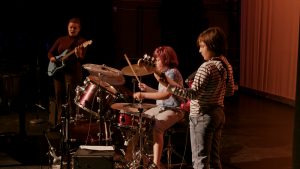
Ready to Get Your Child Started?
If your child enjoys rhythm and movement, drum lessons can be a great way to channel that energy into something meaningful. Many students not only learn music, but also develop focus, coordination, and confidence along the way.
At Tiffany Music Academy, we create a supportive and engaging environment where kids can learn at their own pace while still feeling challenged and excited to improve. Our goal is to make lessons something students genuinely look forward to each week.
Here’s how to get started:
- Explore our drum lessons for kids and adults
- Visit our locations page: Culver City / La Mesa
- Schedule your first lesson
You may also want to read our drum lessons for beginners guide to understand what early progress looks like.