
Drum Lessons for Beginners: The Complete Guide to Getting Started
Learning drums is one of the most exciting ways to start music. It’s hands-on, energetic, and immediately engaging—but many beginners still wonder where to begin.
We recently worked with a student named Jake who had always loved tapping rhythms on tables but wasn’t sure if he could actually learn drums. In his first lesson, he learned a simple beat and couldn’t believe he was already “playing.” Within a few weeks, he was keeping time and starting to feel like a real drummer.
That’s the appeal of drums—progress feels immediate when you have the right structure.
At Tiffany Music Academy, we help beginners build strong rhythm and coordination from day one.
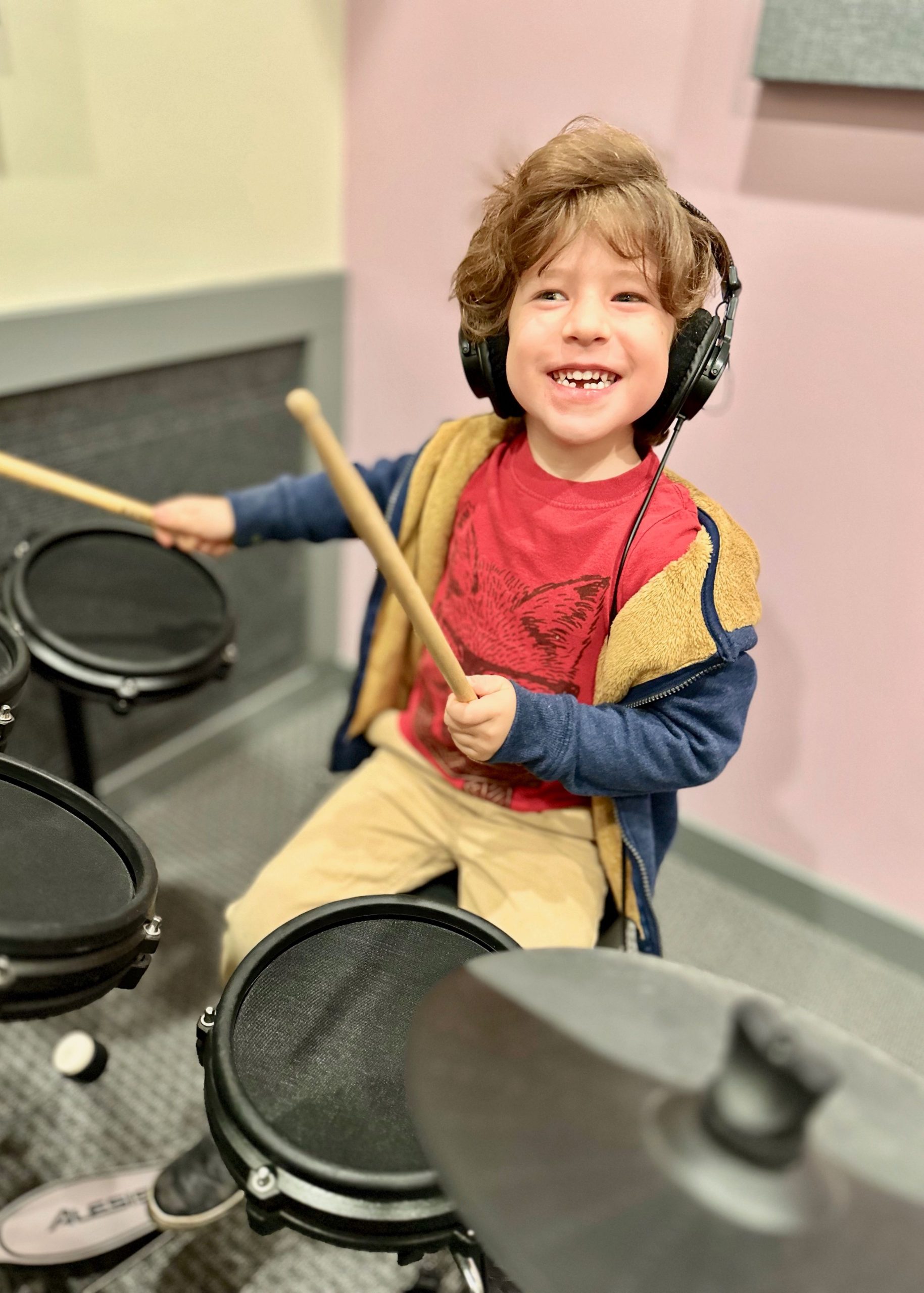
Why Choose Drums as Your First Instrument?
Drums are unique because they focus on rhythm rather than melody. This makes them a great starting point for students who enjoy movement and energy.
They also build coordination, timing, and listening skills that apply to all areas of music.
Many beginners find drums more approachable because they can start playing simple patterns right away.
If you’re comparing options, our how to choose the right instrument for beginners guide can help you explore what fits best.
Beginner Drum Learning Roadmap
| Stage | Focus |
| Week 1–2 | Basic rhythm patterns |
| Week 3–4 | Coordination + timing |
| Month 2+ | Songs + groove |
Step 1: Learning Basic Rhythm
The first step in learning drums is understanding rhythm. Students start by learning simple beats and patterns that form the foundation of drumming.
These early exercises help develop timing and consistency.
Even simple patterns can feel rewarding because they immediately sound like music.
Step 2: Building Coordination
Drumming involves using both hands and feet at the same time, which can feel challenging at first. Over time, coordination improves with practice.
Students learn how to separate movements and then combine them into smooth patterns.
This is one of the most important skills in drumming.
Step 3: Playing Along with Music
One of the most enjoyable parts of learning drums is playing along with songs. This helps students apply what they’ve learned in a real musical context.
It also builds timing and confidence.
If you’re curious about what beginners can play, our upcoming easy drum songs for beginners article will show examples.
Step 4: Building a Practice Routine
Consistency is key for progress. Short, regular practice sessions are more effective than long, occasional ones.
Even 10–15 minutes a day can lead to steady improvement.
If you’re wondering how quickly you’ll improve, our how long it takes to learn an instrument guide provides helpful expectations.
Why Lessons Make a Difference
While drums can be fun to explore on your own, lessons provide structure and guidance. This helps students build strong habits and avoid common mistakes.
Teachers also help students progress more efficiently by focusing on the right skills at the right time.
At Tiffany Music Academy, we make lessons engaging while helping students develop real musical ability.
Learn more: https://www.tiffanymusicacademy.com
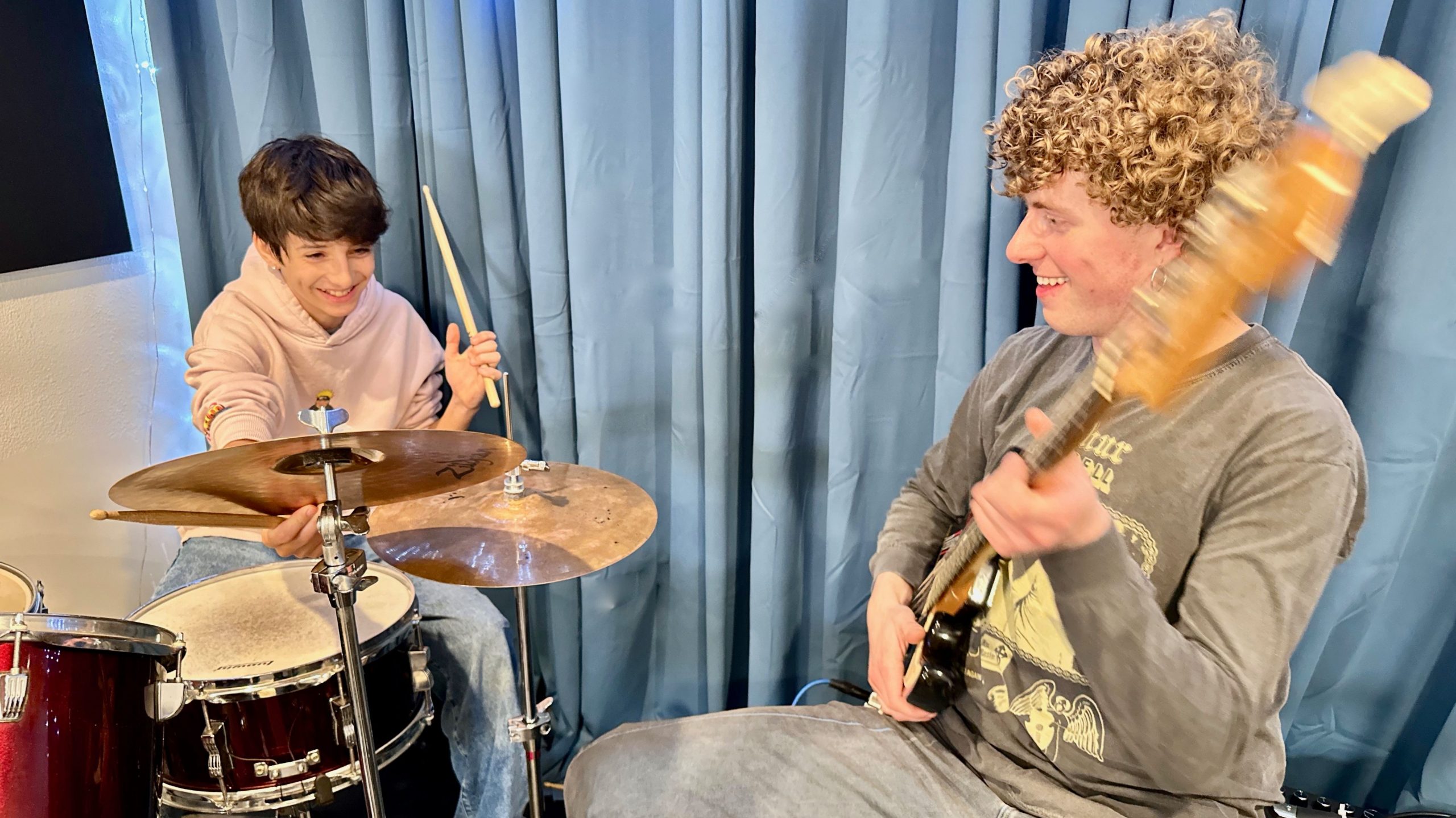
Ready to Start Drum Lessons?
If you’re looking for an instrument that’s energetic, engaging, and fun to learn, drums are a great choice.
At Tiffany Music Academy, we help students build confidence while developing strong rhythm skills.
Here’s how to get started:
- Explore our drum lessons for kids and adults
- Visit our locations page: Culver City / La Mesa
- Schedule your first lesson