
Why Music Class Is One of the Best Programs for a Toddler
If you’re considering a toddler music class, you’ve probably asked yourself a very honest question: “Is this actually worth it?”
Between busy schedules, multiple activity options, and the natural unpredictability of toddlers, it’s completely reasonable to pause before committing. Parents want to make sure they’re choosing something meaningful—not just filling time.
Our Toddler Programs are not just about music appreciation. It’s about development, confidence, and connection.
At Tiffany Music Academy, our toddler music classes are designed to support early growth while creating a positive and engaging experience.
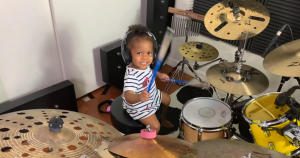
What Do Toddlers Actually Gain from Music Classes?
Toddler music classes are designed to engage children in multiple ways at once. Through singing, movement, and rhythm, children develop skills that extend far beyond music.
Unlike passive activities, music classes require active participation. Toddlers are listening, moving, responding, and interacting all at the same time. This combination supports development in a way that feels natural rather than forced.
Over time, these small moments of engagement add up to meaningful progress.
Value Breakdown
| Area | What Your Child Gains |
| Cognitive | Memory + pattern recognition |
| Physical | Coordination + movement control |
| Social | Interaction + participation |
| Emotional | Confidence + self-expression |
Cognitive and Learning Benefits
Music introduces patterns, repetition, and sequencing—skills that are foundational for early learning. Songs help toddlers recognize what comes next, which strengthens memory and attention.
These same skills later support language development and problem-solving. Even simple activities like repeating a rhythm or following a song structure contribute to cognitive growth.
If you want a deeper look at this, our toddler music class benefits guide explores how music supports early development.
Physical and Coordination Development
Movement is a central part of music classes. Toddlers clap, tap instruments, sway, and move to rhythm, all of which help develop coordination.
These movements strengthen both fine and gross motor skills. Over time, children gain better control over their bodies and become more confident in how they move.
This kind of development is difficult to replicate through passive activities.
Social and Emotional Growth
For many toddlers, music class is one of their first group experiences. This creates opportunities for interaction, observation, and participation.
Children learn to follow cues, take turns, and engage with others in a structured but supportive setting. Even observing other children can be a valuable part of the learning process.
Emotionally, music provides a way for toddlers to express themselves, even before they have the words to do so.
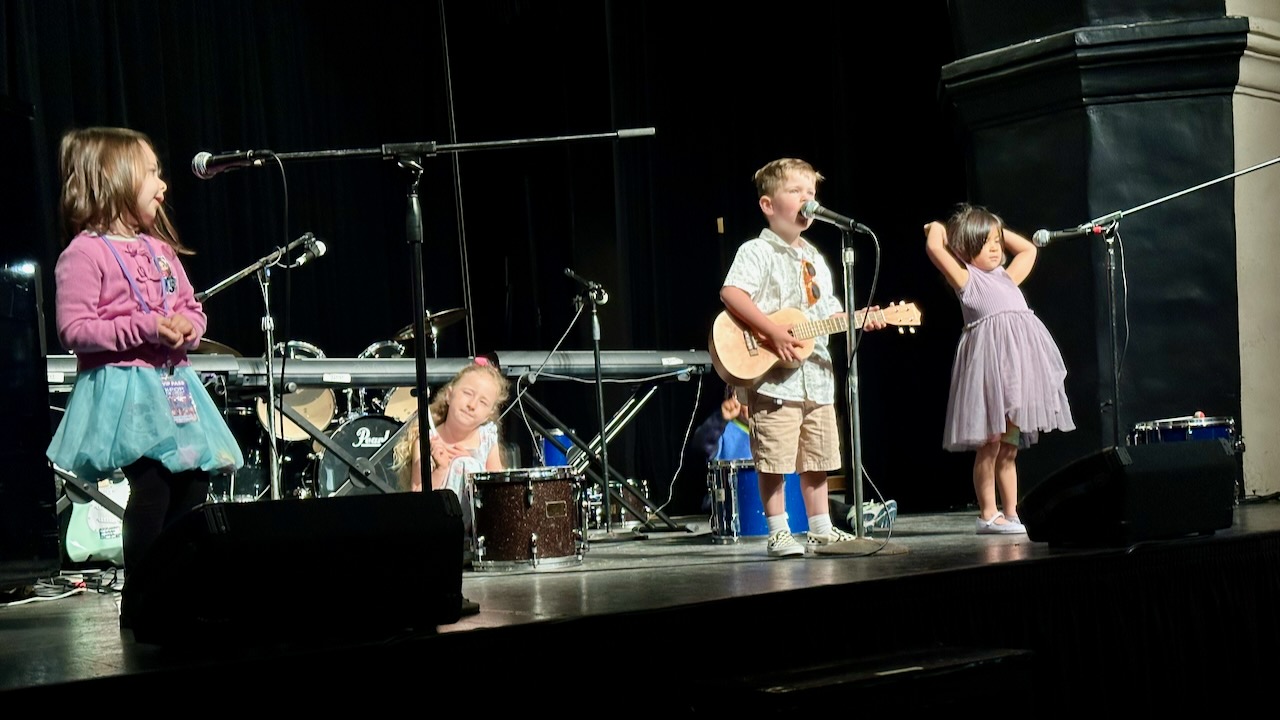
Why Parents Often Notice Confidence First
While many parents sign up for developmental benefits, the first noticeable change is often confidence. Toddlers begin to participate more, respond to instructions, and engage with their environment.
This confidence can extend beyond the classroom into everyday situations, such as social interactions or trying new activities.
We’ve seen many children go from hesitant observers to active participants within just a few weeks. Our programs are designed to find the light in each child and grow their confidence.
Is It Worth It If My Child Doesn’t Participate Right Away?
This is one of the most common concerns—and the answer is yes.
Participation looks different for every child. Some jump in immediately, while others take time to observe before joining. Both responses are completely normal.
In many cases, children who observe at first begin participating gradually as they become more comfortable. The key is consistency and a supportive environment.
If you’re unsure what to expect, our what happens in a toddler music class guide walks through how classes are structured.
Comparing Music Classes to Other Activities
Unlike many toddler activities, music classes engage multiple areas of development at once. They combine movement, listening, interaction, and creativity in a single experience.
This makes them especially effective for young children who learn best through active participation.
While other activities may focus on a single skill, music integrates several in a way that feels natural and enjoyable.
The Long-Term Value
One of the biggest benefits of toddler music classes is the foundation they create. Early exposure to music can make it easier for children to transition into future lessons, whether that’s piano, guitar, or voice.
More importantly, it builds a positive association with learning. When children enjoy the process, they are more likely to continue.
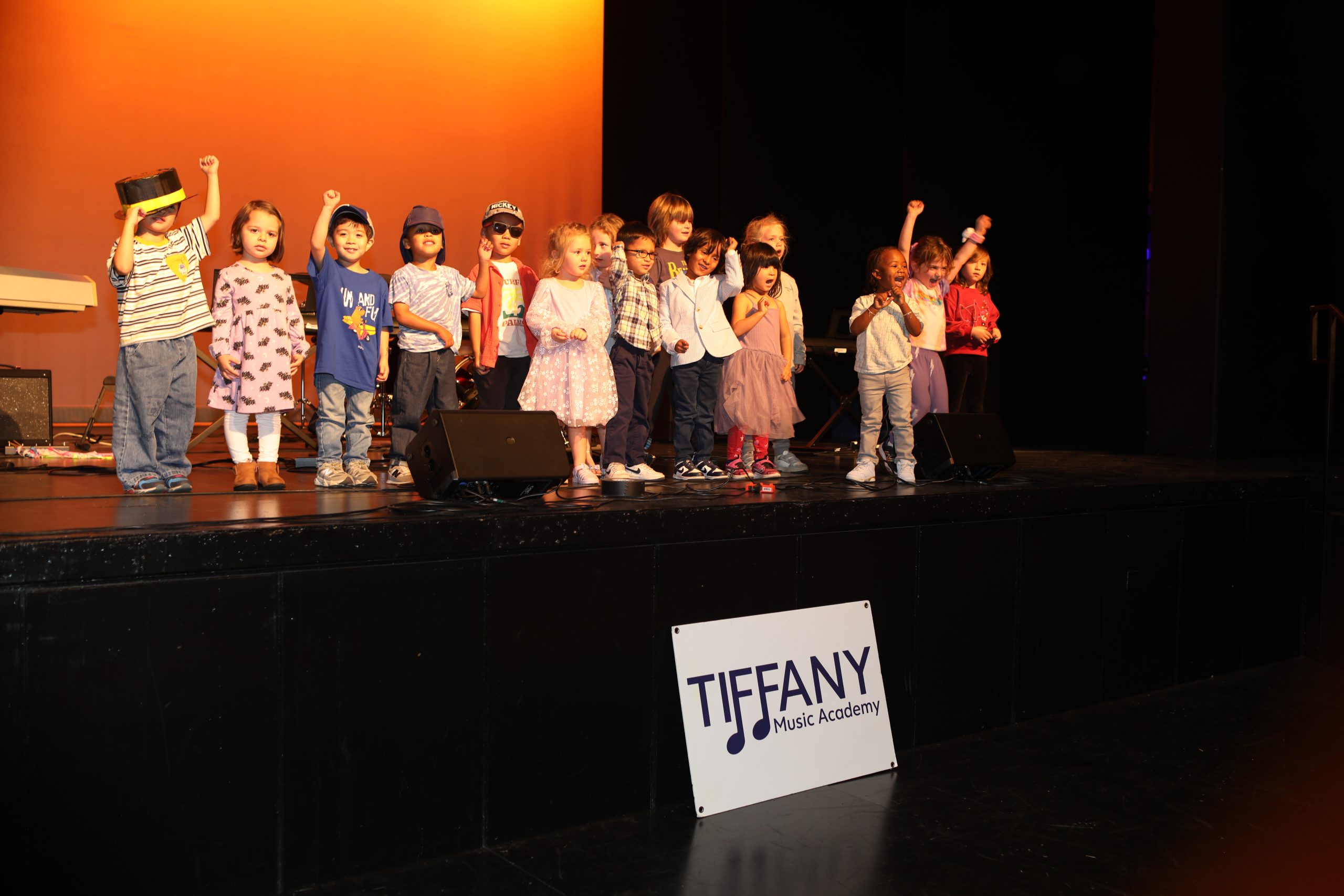
So, Are Music Classes Worth It?
For many families, the answer is yes—but not just for the reasons they initially expect.
Music classes support development, build confidence, and create meaningful experiences for both children and parents. They also provide a structured activity that toddlers genuinely enjoy.
The value isn’t just in what children learn—it’s in how they grow.
Ready to Try a Class?
If you’re considering toddler music classes, the best way to decide is to experience one firsthand.
At Tiffany Music Academy, we create a welcoming environment where toddlers can explore music while building confidence and developmental skills.
Here’s how to get started:
- Learn about our toddler music program:
- Visit our locations page: Culver City / La Mesa
- Schedule your first lesson