
Do You Need a Drum Set at Home to Take Lessons?
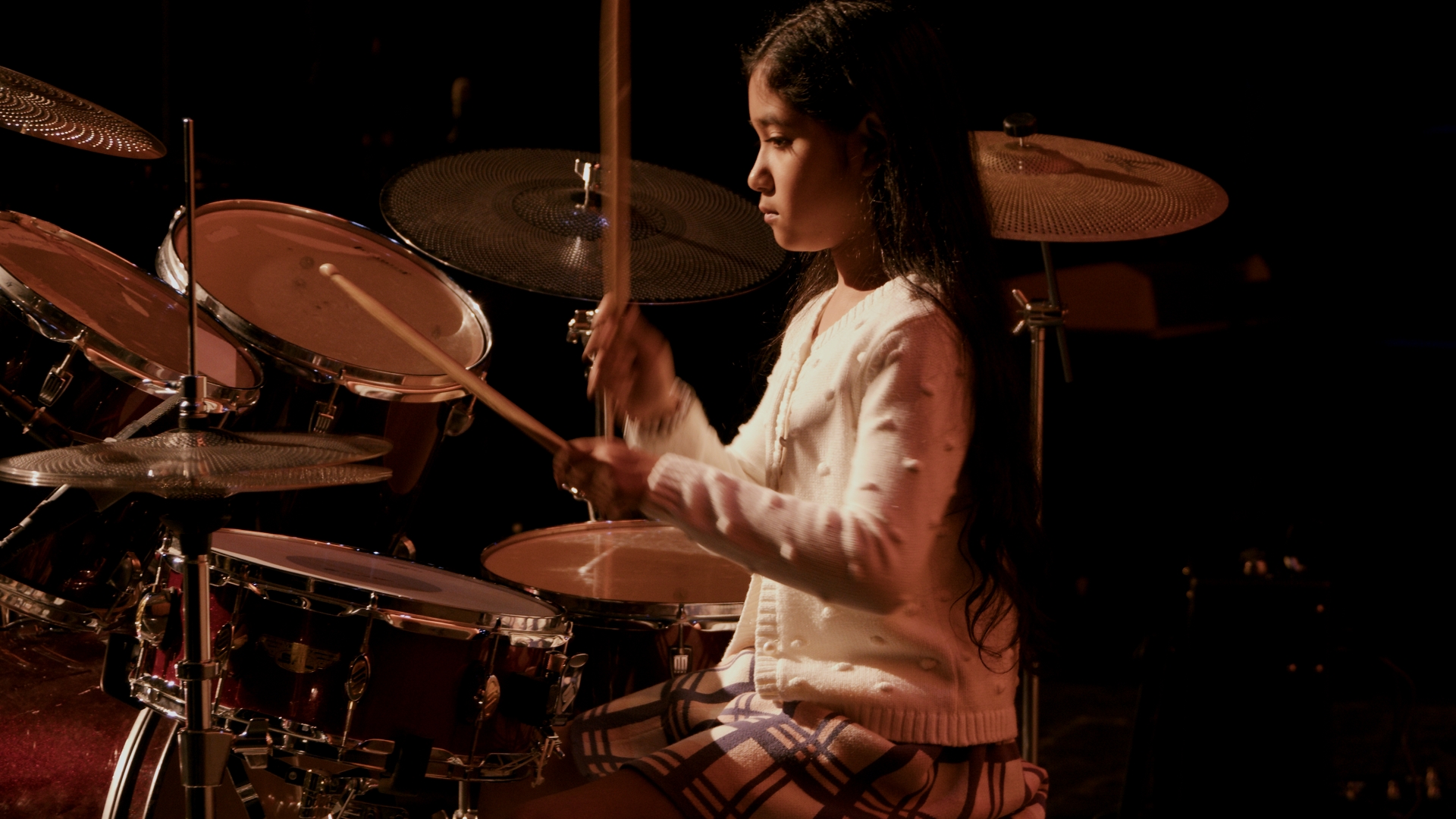
If you’re thinking about starting drum lessons, one of the first questions that comes up is: “Do I need a drum set at home before I begin?”
We recently worked with a parent who brought their son in for a trial lesson but hesitated to buy a full drum kit right away. After a few lessons, their son was excited to practice and eager to improve. That’s when getting a simple practice setup at home made sense—and his progress picked up quickly.
That’s usually how it works. You don’t need everything on day one, but having access to drums soon after starting makes a big difference.
At Tiffany Music Academy, we help students take a step-by-step approach so they can start comfortably and build from there.
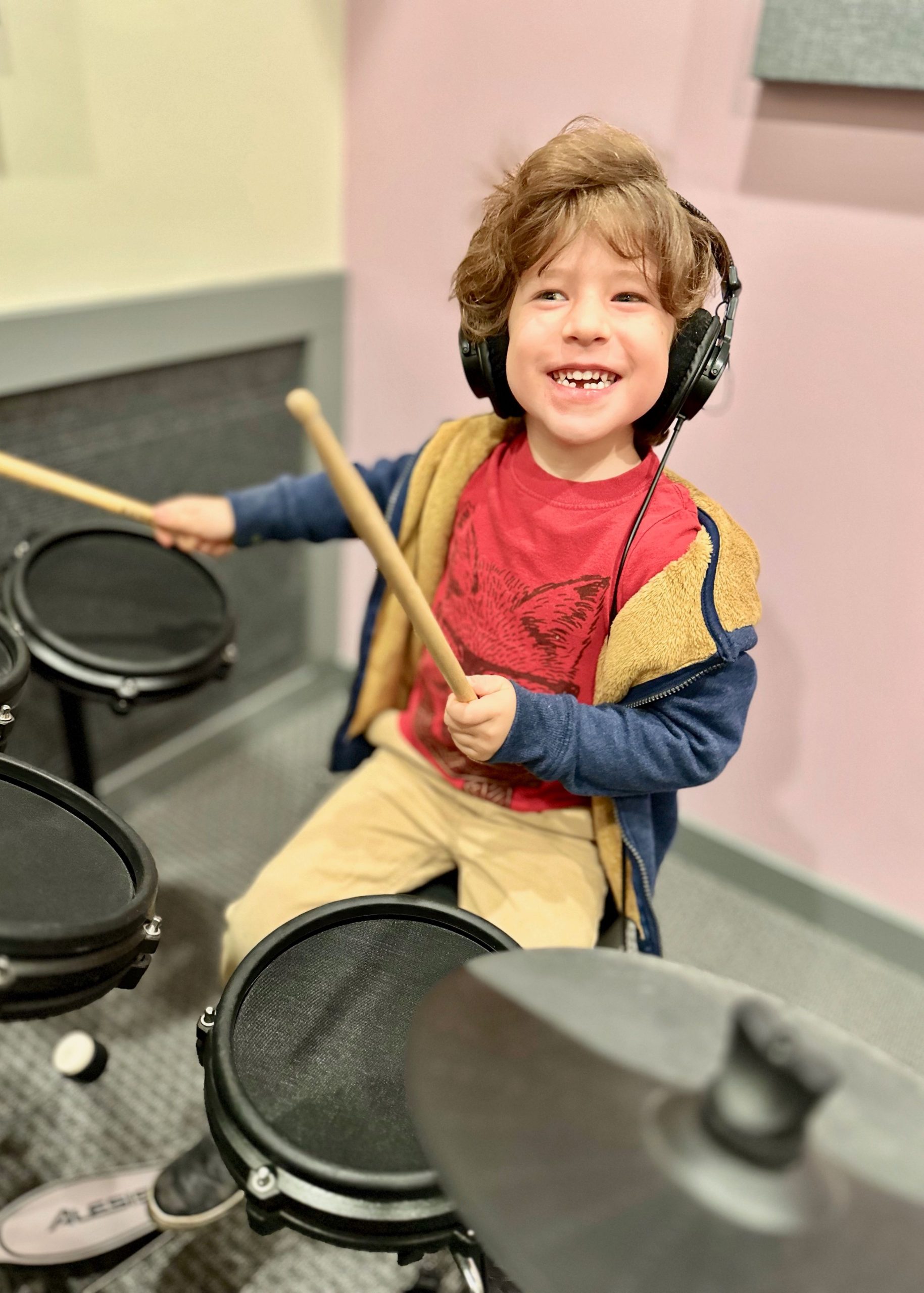
Can You Start Lessons Without a Drum Set?
Yes, many students begin drum lessons without owning a full drum set. Early lessons focus on rhythm, stick control, and basic patterns, which can often be practiced on a pad or during lesson time.
This allows students to try the instrument and build interest before making a larger investment.
Starting this way can help reduce pressure and make the decision feel more manageable.
If you’re new to drums, our drum lessons for beginners guide explains what those first lessons look like.
Why You’ll Need a Practice Setup Soon After
While you can begin without a drum set, consistent practice is essential for improvement. Without access to a practice setup at home, progress will be slower.
Even short daily sessions—around 10–15 minutes—can make a noticeable difference. Students who practice regularly tend to improve faster and feel more confident.
Practice Access vs Progress
| Practice Access | Progress |
| No setup | Very slow |
| Practice pad only | Moderate |
| Full setup | Strong |
What Are Your Options for Practicing at Home?
You don’t need a full drum kit right away. There are several beginner-friendly options that can support early progress.
- Practice pads are quiet, affordable, and great for building stick control
- Electronic drum kits offer a full experience with adjustable volume
- Acoustic drum kits provide the most realistic feel but are louder
Each option has its advantages, and the best choice depends on your space and goals.
Managing Noise at Home
Noise is one of the biggest concerns for families considering drums. This is completely understandable, especially in shared living spaces.
The good news is that there are ways to manage volume, including electronic kits, practice pads, and controlled playing techniques.
We often help families find solutions that work for their environment.
When Should You Invest in a Drum Set?
The best time to invest in a drum set is when the student shows consistent interest and motivation. This usually happens after a few lessons.
At that point, having a setup at home supports faster progress and keeps students engaged.
We recommend starting simple and upgrading later if needed.
Common Concerns (and Why They’re Normal)
Many beginners worry about cost, space, or long-term commitment. These concerns are very common and completely valid.
Taking a gradual approach—starting with lessons, then adding a practice setup—helps make the process more comfortable.
If you’re deciding what to purchase, our beginner instrument buying guide can help you make an informed choice.
Ready to Start Drum Lessons?
You don’t need everything figured out to begin. Starting lessons first allows you to explore the instrument and build interest before investing in equipment.
At Tiffany Music Academy, we guide students through each step so they can progress with confidence.
Here’s how to get started:
- Explore our drum lessons for kids and adults
- Visit our locations page: Culver City / La Mesa
- Schedule your first lesson