
Beginner Guitar Lessons: What to Expect in Your First Month
What Happens in Your First Guitar Lesson?
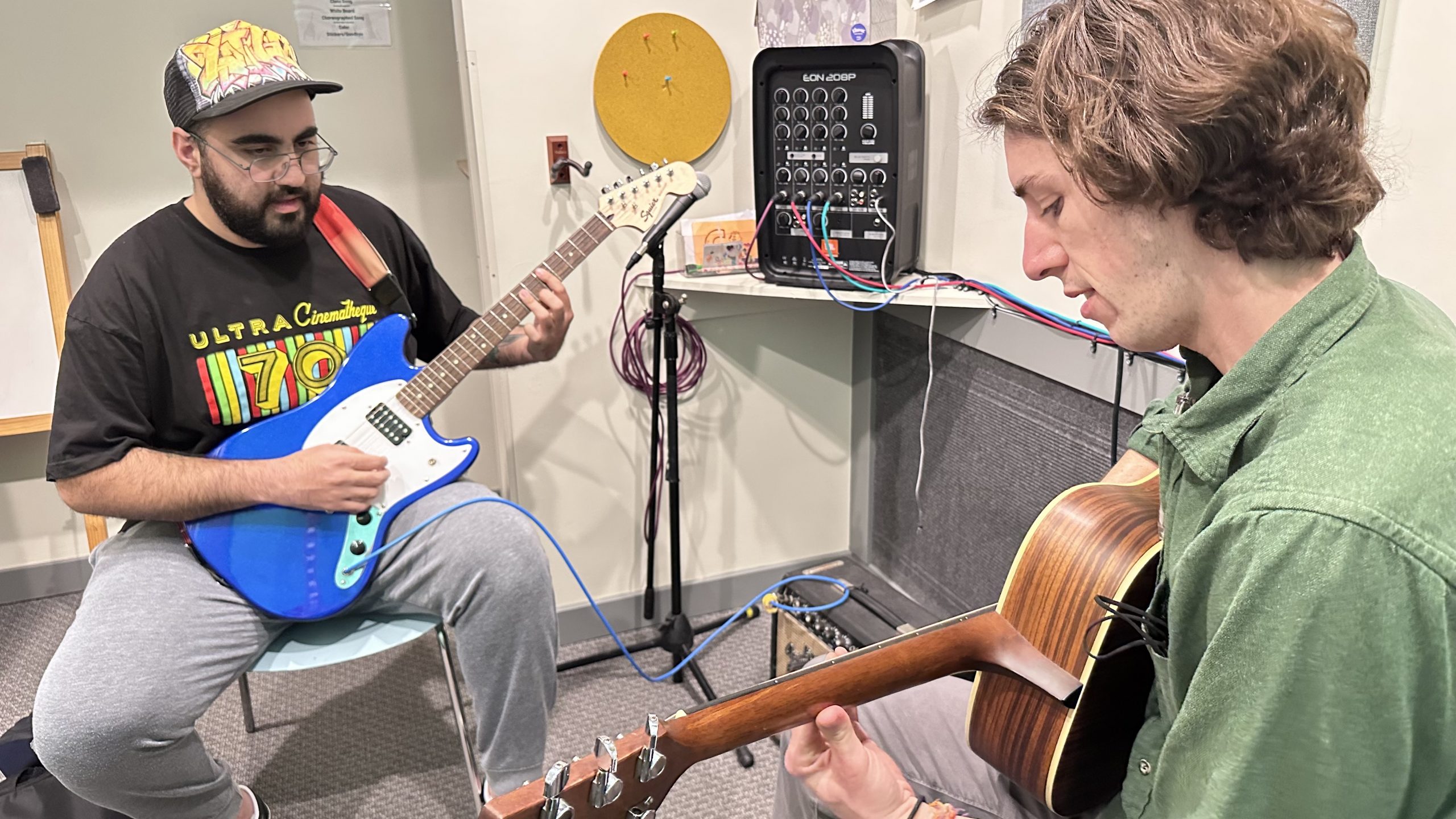
Your first lesson is all about getting comfortable with the instrument. Students learn how to hold the guitar, position their hands, and produce clean sound.
The goal is not perfection—it’s familiarity. Even playing a single chord correctly can feel like a big accomplishment at this stage.
If you’re still deciding whether guitar is the right fit, you might find our Complete Guide to Guitar Lessons helpful.
First Month Progress
| Week | Focus |
| Week 1 | Basic chords |
| Week 2 | Strumming patterns |
| Week 3 | Chord transitions |
| Week 4 | First songs |
What Progress Looks Like Week by Week
During the first week, students focus on basic chords and getting comfortable holding the instrument. This builds the foundation for everything that follows.
By the second week, strumming patterns are introduced, and students begin connecting chords. This is when the guitar starts to feel more like an instrument rather than something unfamiliar.
By week three, transitions between chords become smoother. By week four, many students can play simplified songs. If you’re curious what those sound like, our easy guitar songs for beginners article is a great place to start.
How Much Should You Practice?
Practice is one of the biggest factors in how quickly you improve. The good news is that you don’t need long sessions to see progress.
Short, consistent practice—around 10 to 15 minutes per day—is often enough to build strong habits. Over time, this creates steady improvement without feeling overwhelming.
If you want to make the most of your time, our guitar practice tips for beginners guide breaks down exactly how to practice effectively.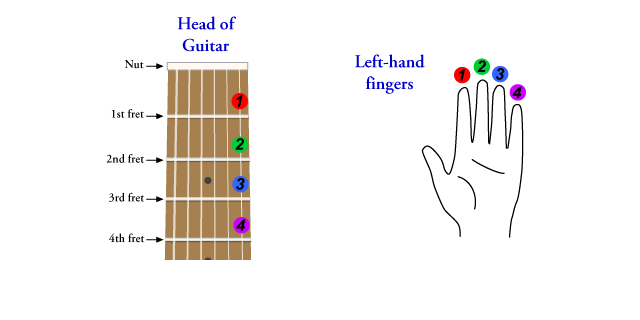
Common Beginner Challenges (and Why They’re Normal)
Most beginners experience similar challenges early on. Fingers may feel sore, chords may sound unclear, and switching between positions can feel slow.
These challenges are completely normal and improve quickly with practice. In fact, they are a sign that your hands are learning something new.
We often remind students that progress on guitar is not about avoiding mistakes—it’s about learning from them.
If you’re choosing between instruments, you may also want to read our ukulele vs guitar guide, which compares the learning experience for beginners.
Do You Need Your Own Guitar at Home?
Yes—having access to a guitar at home is essential for making progress. While you can begin lessons without one, practice is where most learning happens.
The good news is that beginner guitars are widely available and don’t need to be expensive. The most important factor is choosing something comfortable to play.
If you’re unsure what to look for, our beginner instrument buying guide can help you make a confident decision.

Why Taking Lessons Makes a Difference
While many students try learning guitar on their own, lessons often help beginners progress faster and avoid developing bad habits. A teacher can correct small mistakes early before they become difficult to fix later on. Guitar lessons also provide structure, guidance, and clear goals that keep students moving forward consistently.
Many beginners struggle not because they lack talent, but because they do not know what to practice or how to practice effectively. Having regular lessons often gives students the support and accountability needed to stay motivated and continue improving over time.
Ready to Start Guitar Lessons?
If you’ve been thinking about learning guitar, the best time to start is now. You don’t need experience—just a willingness to begin.
At Tiffany Music Academy, we help students build strong foundations while keeping lessons engaging and enjoyable.
Here’s how to get started:
- Explore our guitar lessons
- Visit our locations page: Culver City / La Mesa
- Schedule your first lesson
You may also find it helpful to read how long it takes to learn an instrument to set realistic expectations.