
What Musical Instrument Should You Play?
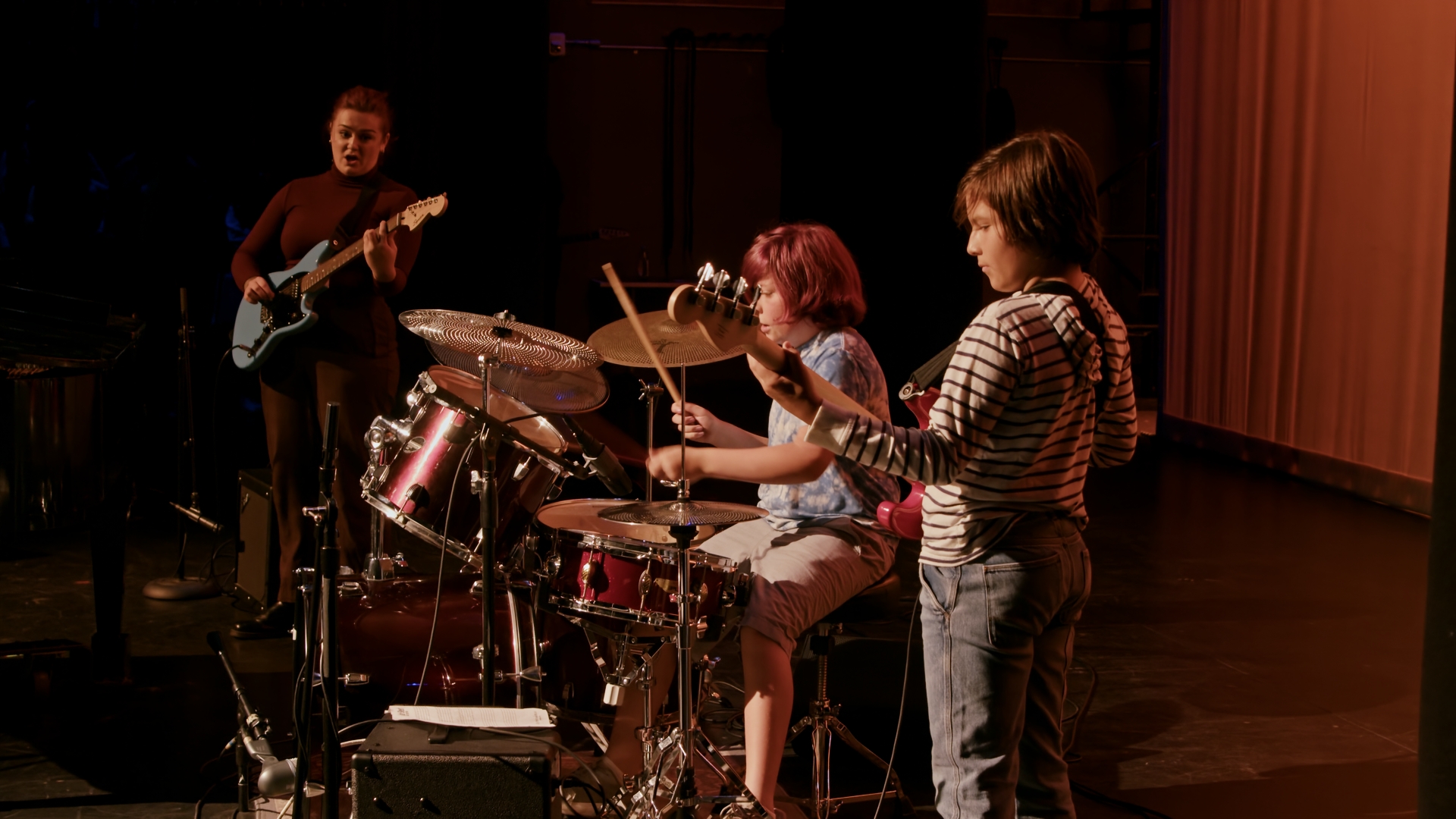
It is very common for these two thoughts to show up together. “I want to learn a musical instrument,” followed closely by “but what should I learn to play?”
If that sounds familiar, you are not alone. Many people feel a strong pull toward making music but are unsure which instrument is the right fit for them. That uncertainty is completely normal.
There is no quick quiz that magically assigns you the perfect instrument, but there are a few important factors worth thinking through. Keeping these in mind can help you make a confident and enjoyable choice.
Physical Considerations
Learning a musical instrument is not extremely physical, but different instruments do place different demands on the body.
Some instruments are larger and heavier, which can feel challenging at first. Lower brass and bass string instruments, such as tuba or double bass, require more strength and balance than smaller instruments.
Even common instruments come with physical considerations. Trombone players need enough arm length and flexibility to reach slide positions smoothly, which can be more demanding for younger students. Flute and violin players hold their arms up and maintain upright posture for extended periods. Keyed instruments like piano, clarinet, and saxophone require finger independence and coordination. Wind and brass instruments rely heavily on breath support, which is important to consider for anyone with breathing limitations.
You do not need to be in perfect physical shape to learn music. Most of these challenges are manageable with proper instruction and practice. Still, understanding what playing an instrument feels like can help you start off more comfortably and confidently.
Cost and Maintenance
You do not need to own an instrument to begin lessons. At Tiffany Music Academy, student instruments are often available for beginners, and many starter instruments can be rented or purchased at reasonable prices.
That said, some instruments come with ongoing costs. Woodwind instruments typically require reeds, while string instruments need regular restringing and basic maintenance. Some instruments are also more expensive to purchase and store long term. For example, a flute is easier to keep at home than a full size piano.
Cost should not be a barrier, but it is helpful to understand what is involved so you can plan accordingly.
Choose the Instrument You Love
All practical considerations matter far less than one key question. What do you want to play?
This is your musical journey. You will be far more successful learning an instrument you enjoy hearing and playing than one that simply seems practical. If you love the sound of the flute, choose flute. If you are drawn to drums, piano, cello, or guitar, follow that interest.
Motivation is the most powerful factor in learning music. When students enjoy their instrument, practice feels more natural and progress comes faster.
If you are unsure which instrument feels right, that is completely fine. We can help you explore and try different options. Sometimes it takes holding the instrument, feeling the posture, or playing a few notes to know whether it clicks.
Small details like comfort, balance, and sound can make a big difference, and you often cannot judge those until you try.
Whether you already know which instrument you want to learn or are still exploring your options, Tiffany Music Academy is here to help you take that first step into making and enjoying music.
Coming Back To Your Instrument After High School
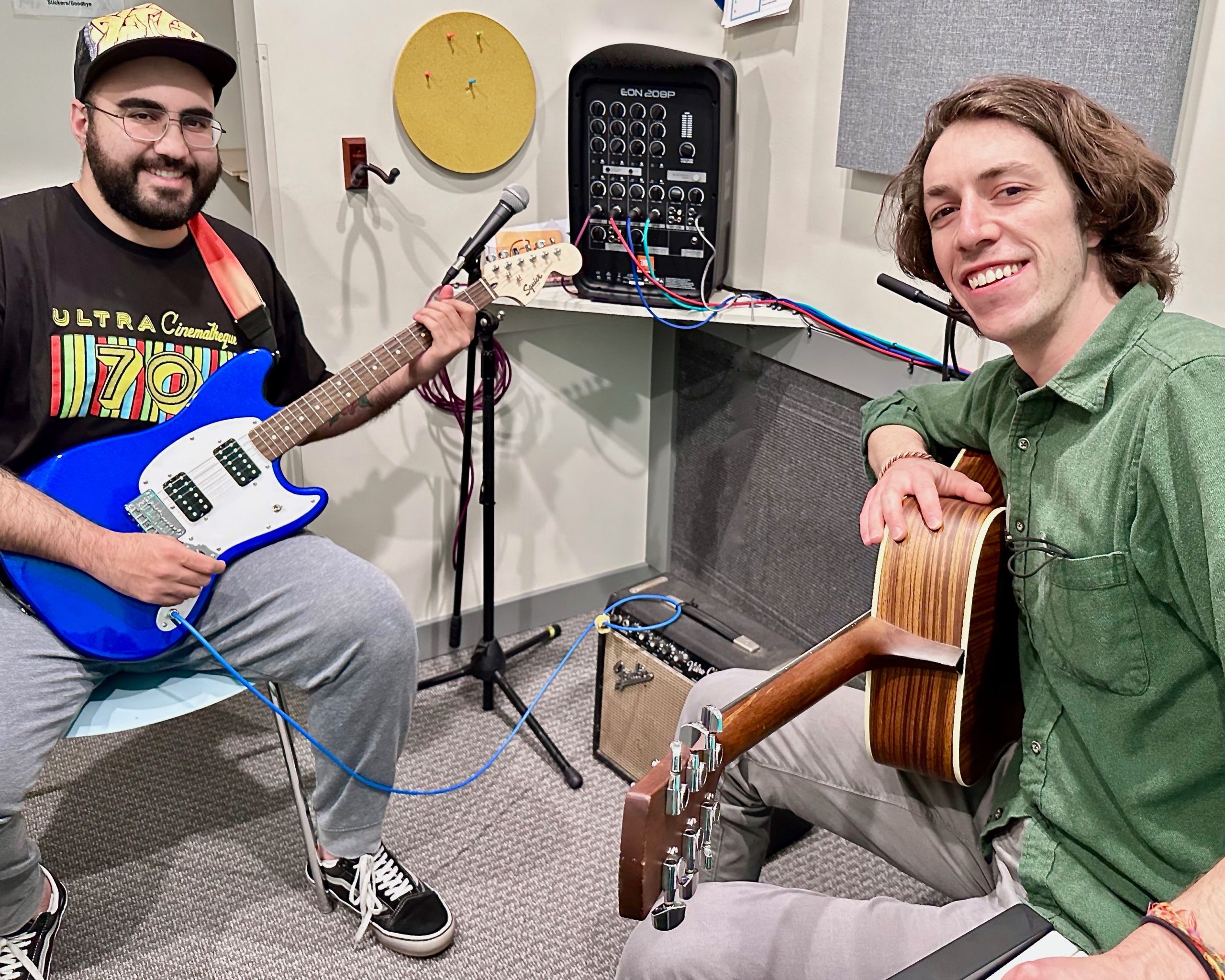
At Tiffany Music Academy, we believe music is a lifelong journey. Like any journey, progress is not always steady or predictable, and that is completely normal.
One of the most rewarding things we do is help students reconnect with instruments they played earlier in life, whether that was in high school or even decades ago. It is never too late to learn a musical instrument. That is especially true if you have played before, even if it feels like a lifetime ago.
If you are thinking about relearning your instrument after high school, here are a few important things to keep in mind. Read more about our Music Lessons for Adults.
Warm Ups and Routines Matter
Jumping straight into your favorite pieces can be tempting, but warm ups and basic exercises play an important role when returning to an instrument. Many returning students assume they can simply shake off the rust and play the way they remember. While muscle memory does come back, it takes time and consistency.
Establishing a regular playing routine helps your body and mind reconnect with the instrument. Warm ups prepare your muscles, sharpen your focus, and ease you back into productive practice. This is especially important for wind instruments, where breathing and air support benefit greatly from intentional warm up exercises.
Learning or relearning an instrument is about gradual improvement. Progress builds over time, not all at once.
Practice Smart by Starting Slow
No matter how skilled you once were, practice has always been part of being a musician. That does not change with age or experience. Practicing is not something you did only because you were younger. It is a lifelong habit shared by musicians at every level.
One of the most effective practice strategies is slowing things down. Playing too fast too soon makes it harder to identify problem areas and can reinforce poor habits. Playing slowly and accurately allows you to build strong muscle memory, which you can then carry forward as you increase speed.
Tools like a metronome and tuner are incredibly helpful for staying consistent and focused. They provide structure and keep practice sessions productive rather than frustrating.
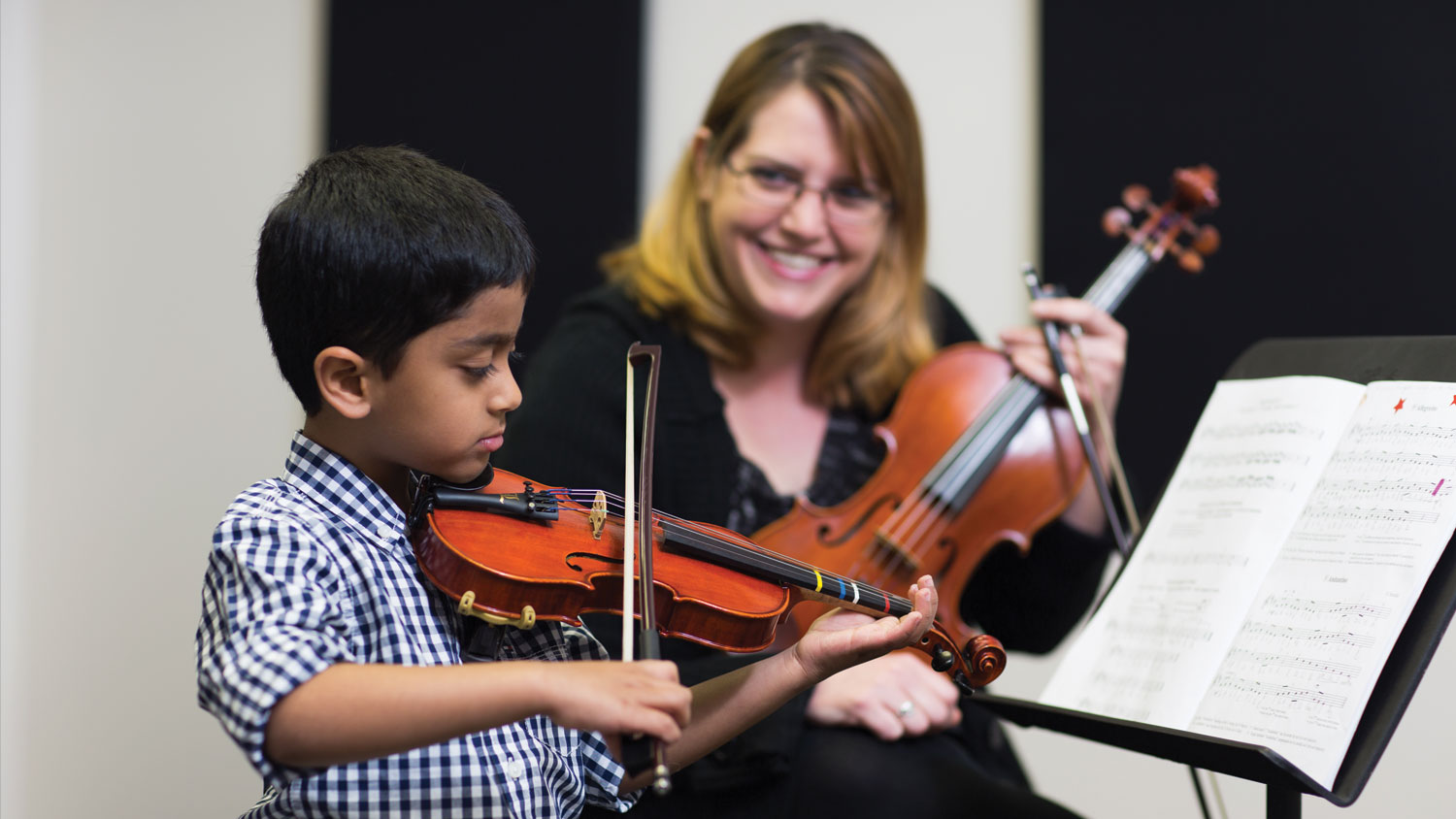
Be Patient with Yourself
It is absolutely possible to return to your instrument and reach or even surpass your previous level of playing. That said, it is important to give yourself grace along the way.
Many of us remember our high school music days through a nostalgic lens. While those experiences were meaningful, they were not perfect, and that is okay. You were learning then, just as you are now.
Music is not about flawless performance. It is about expression, growth, and the satisfaction that comes from making progress. Try not to measure yourself against the past. Focus instead on what you are creating today and celebrate every step forward.
It Is Never Too Late for Lessons
Music is meant to be enjoyed at every stage of life. At Tiffany Music Academy, we work with students of all ages and experience levels, helping them reconnect with music in a way that feels rewarding and sustainable.
If you are ready to pick your instrument back up and rediscover the joy of playing, Tiffany Music Academy offers supportive, effective private lessons to help you get there. Reach out today and take the next step in your musical journey.\
Here’s how to get started:
- Explore our music lessons
- Visit our locations page: Culver City / La Mesa
- Schedule your first lesson